A walk of the whole wet path
Water travels. A technician traces it from where it enters to where it ends up, which often means the basement, the crawl space and the wall cavities between them rather than the one visible patch.
An independent provider should look for the wet material behind the smell or the stain, not only the patch you can see. An inspection follows the moisture and should end with a written scope you can read and compare.
An inspection here is mostly a hunt for cold, wet surfaces. Snowmelt against the house, a downspout dumping at the corner, a window well without a cover, a crawl space with no vapor barrier and duct work running through an unconditioned space all show up repeatedly in Colorado Springs homes.
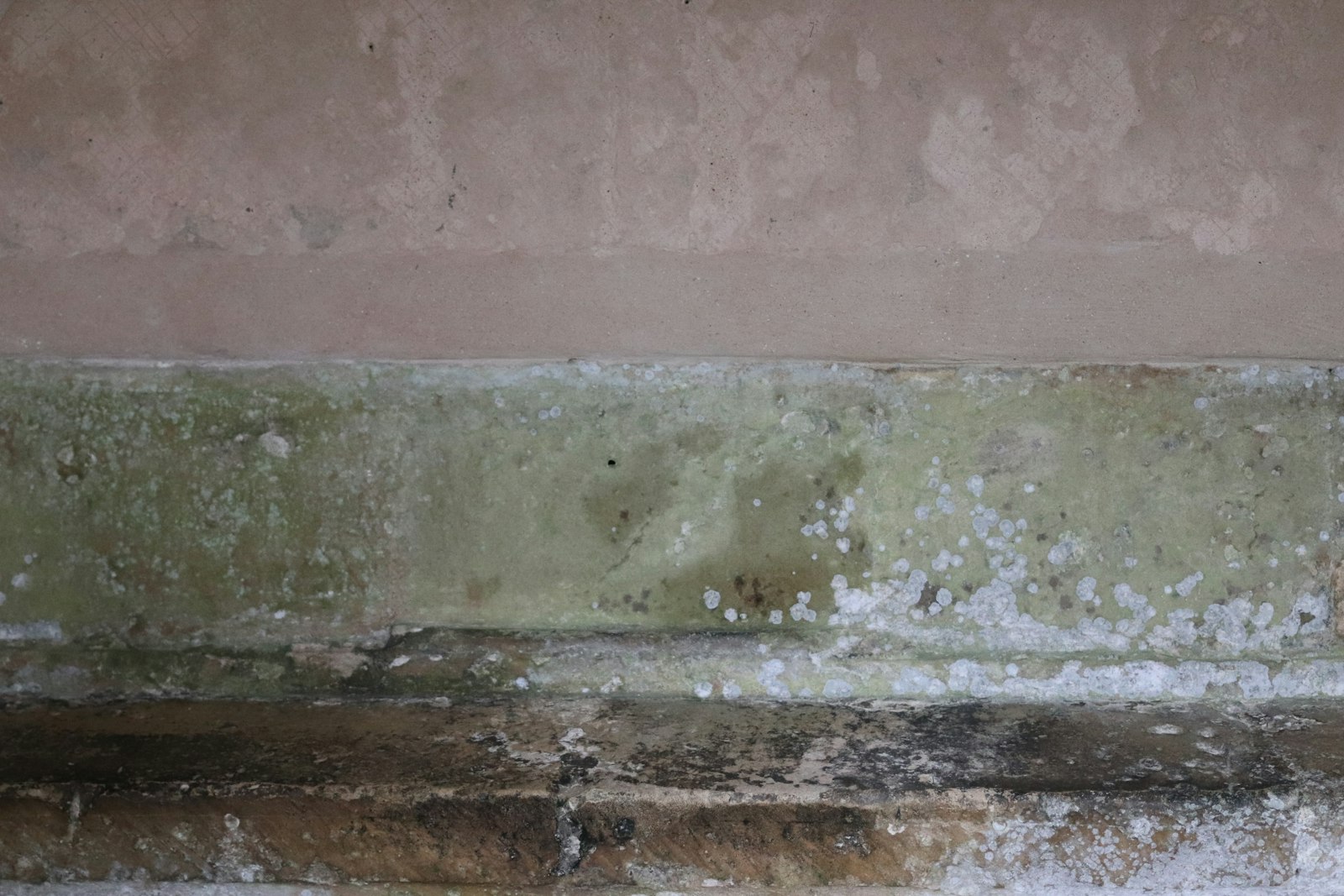
Not every property needs every item below. Ask the provider to separate finding the problem from cleaning it up, so you are not paying for a scope nobody has justified yet.
Water travels. A technician traces it from where it enters to where it ends up, which often means the basement, the crawl space and the wall cavities between them rather than the one visible patch.
Meters and, where useful, a thermal camera show which materials are still holding water behind paint, tile or flooring. That is what separates an old dried stain from something active.
Ask for a plain description of what was found, what needs to come out, what can be cleaned in place and what has to change so it does not return. Ask whether sampling would actually change the plan.
Testing is not automatic. If growth is visible and the cause is obvious, air or surface samples often tell you little that the eye and the meters have not already shown. Sampling earns its place when nothing is visible, when a tenant or buyer needs documentation, or when you want a record of the condition before work begins.
Once the source is clear, the cleanup can be scoped. Read about mold removal and remediation to see what the work involves, or compare the two scopes in our removal versus remediation guide.
If a leak or wet basement came first, mold after water damage covers what usually stays wet. Outside the city limits, check the communities covered.
The size of the building, how many areas are involved and whether sampling is requested all move the number. Ask the independent provider to explain the scope and the price before the visit rather than after it.
Most homes with visible growth need an inspection, not a lab result. An independent provider may recommend sampling when nothing can be seen, when documentation is needed for a landlord, buyer or property manager, or when the source is unclear.
Leave the area alone. Do not scrub, paint over or sand anything, because that spreads spores and removes the evidence a technician uses. Keep the space closed off and note when you first noticed the smell or stain.
Yes. A pre-purchase look is a common request, especially on homes with a finished basement. An independent provider can report what is found and what it would take to correct it, so you can use it in your own decision. See the contact page.
Call and describe what you are seeing and where the water came from to reach an independent provider.