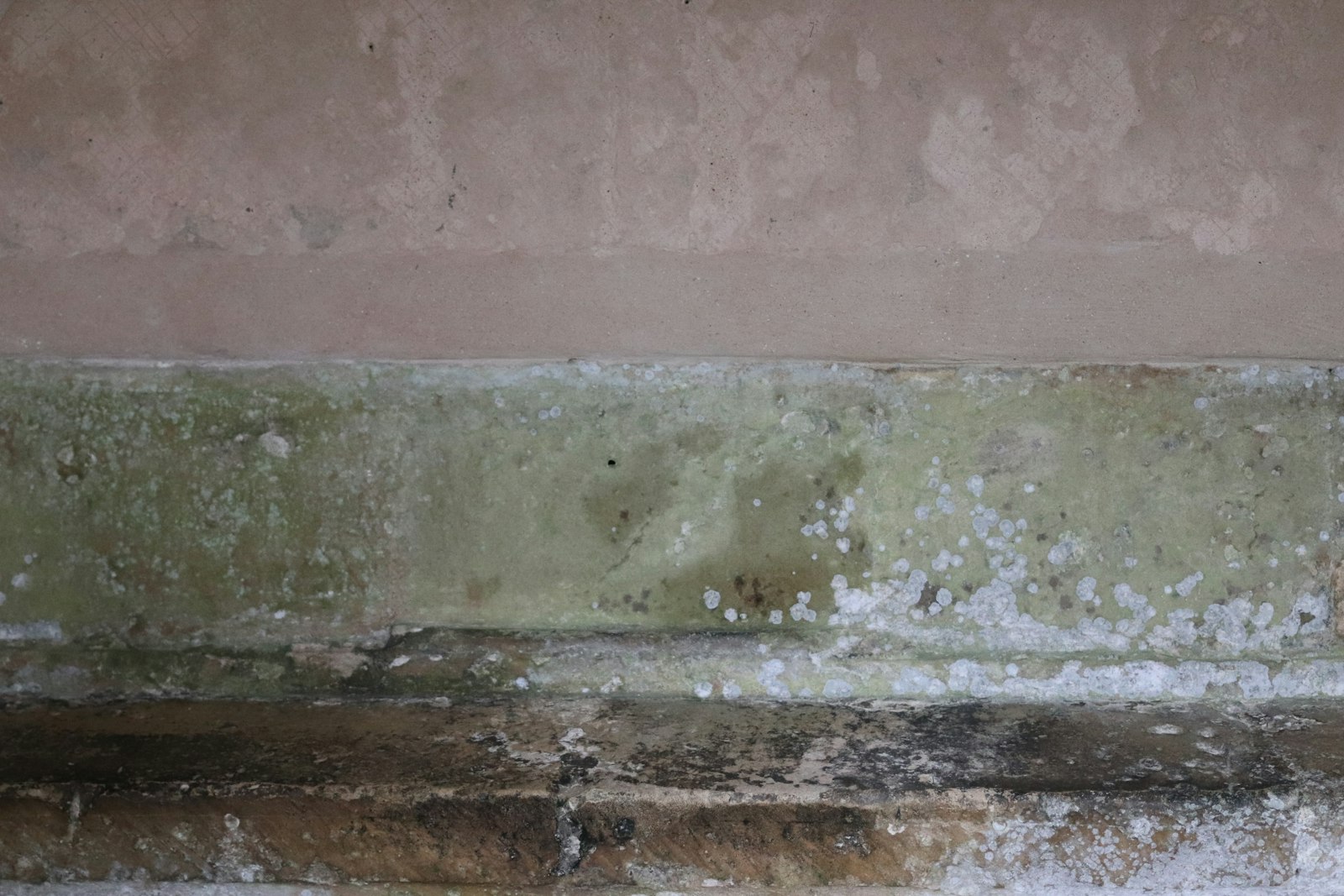
Mold Inspection
Where the water is getting in comes first, then how far the growth has spread behind the surface.
Mold InspectionA musty basement, dark speckling along a cold wall or a stain that comes back every winter all point the same direction: something in the building is staying wet. Colorado Springs Mold Experts connects you with independent mold remediation providers. Availability varies by provider.
Where the water is getting in comes first, then how far the growth has spread behind the surface.
Mold Inspection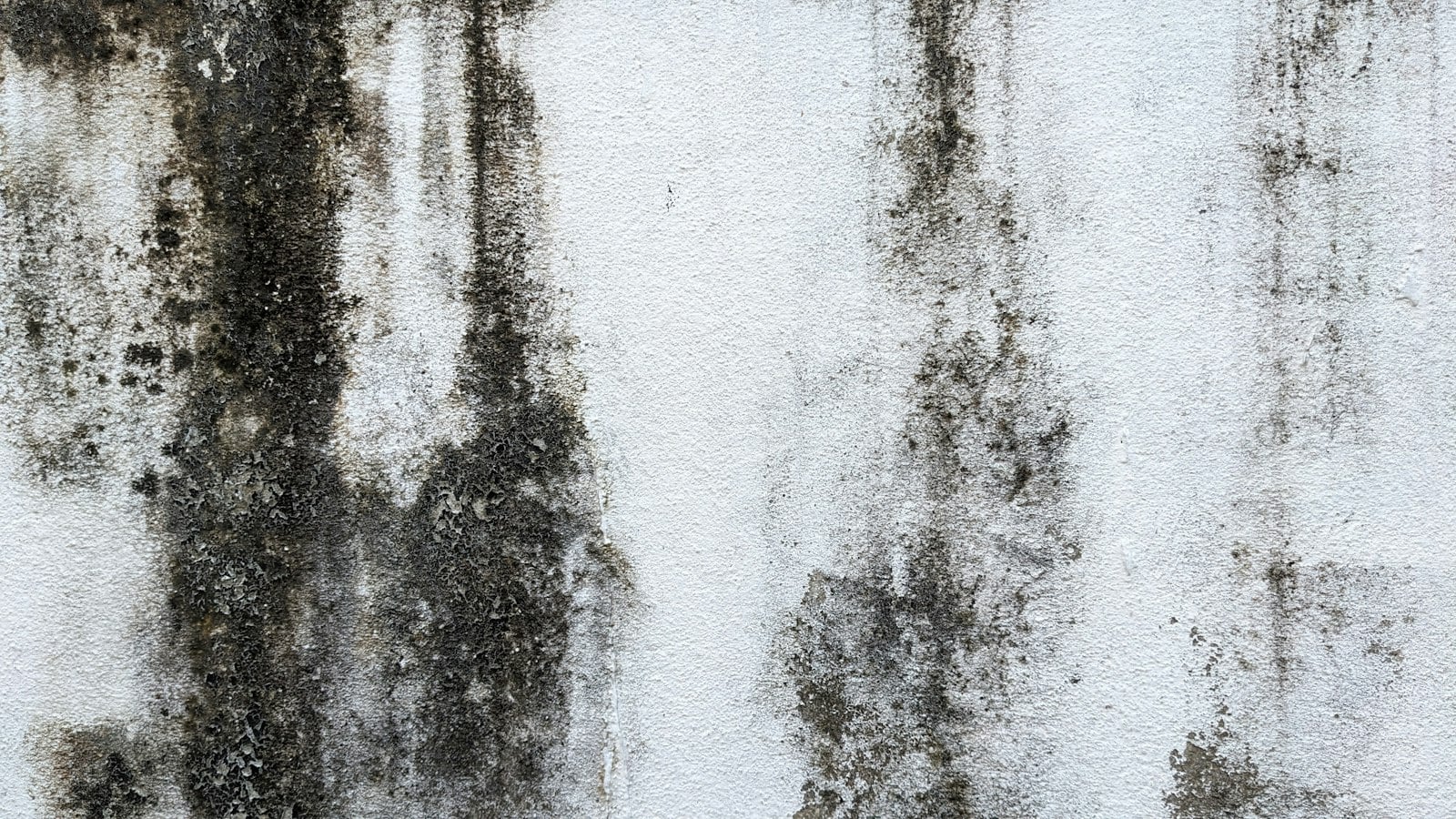
Contained work areas, filtered air and bagged debris, so the cleanup does not push spores through the house.
Mold Removal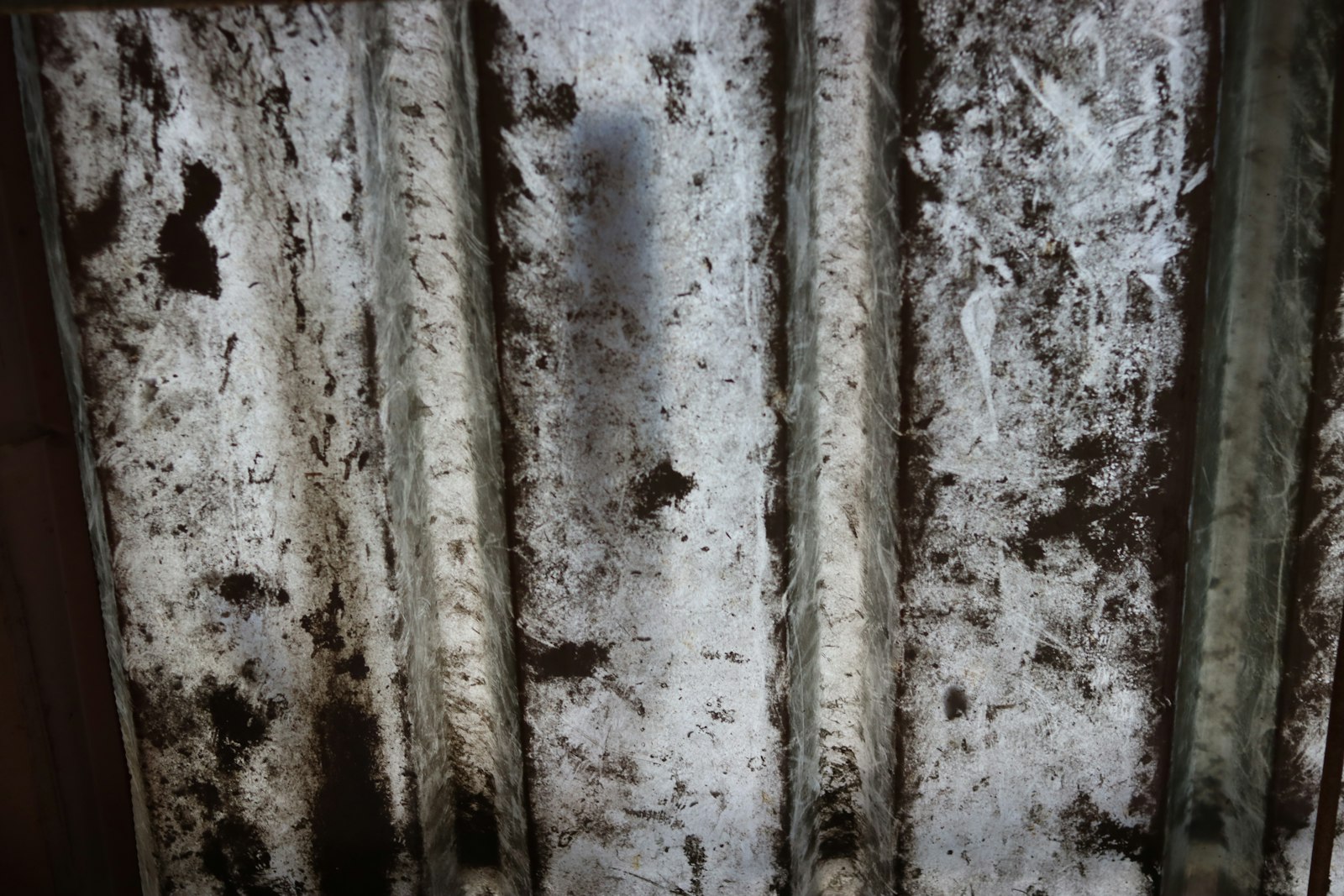
Dark growth on long-wet material gets the same careful handling, whatever the species turns out to be.
Black Mold Removal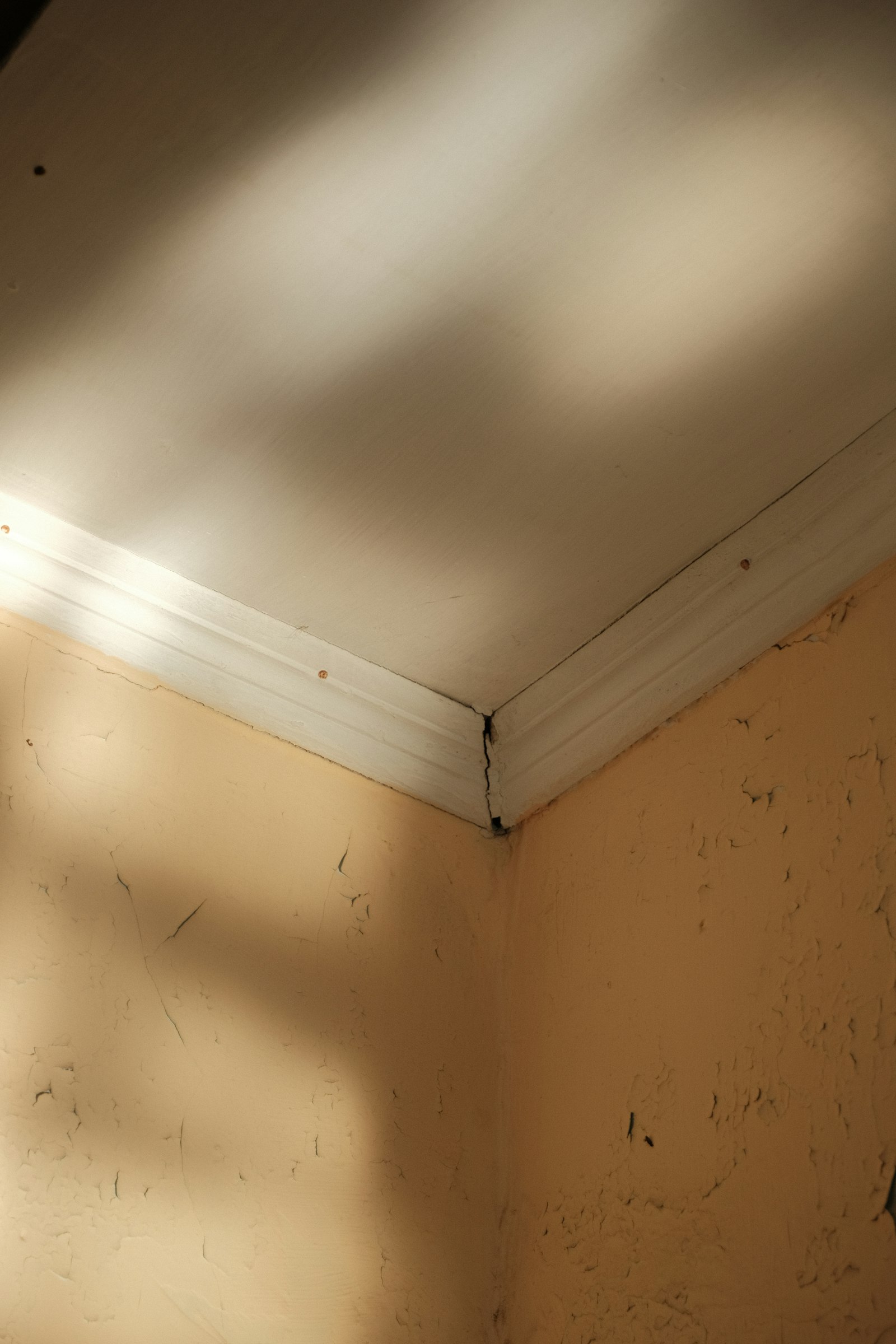
Warm indoor air leaking into a cold attic under snow leaves frost on the sheathing, then staining.
Attic Mold Remediation
Steam with nowhere to go settles on drywall and grout, and a weak fan is usually part of the story.
Bathroom and Kitchen Mold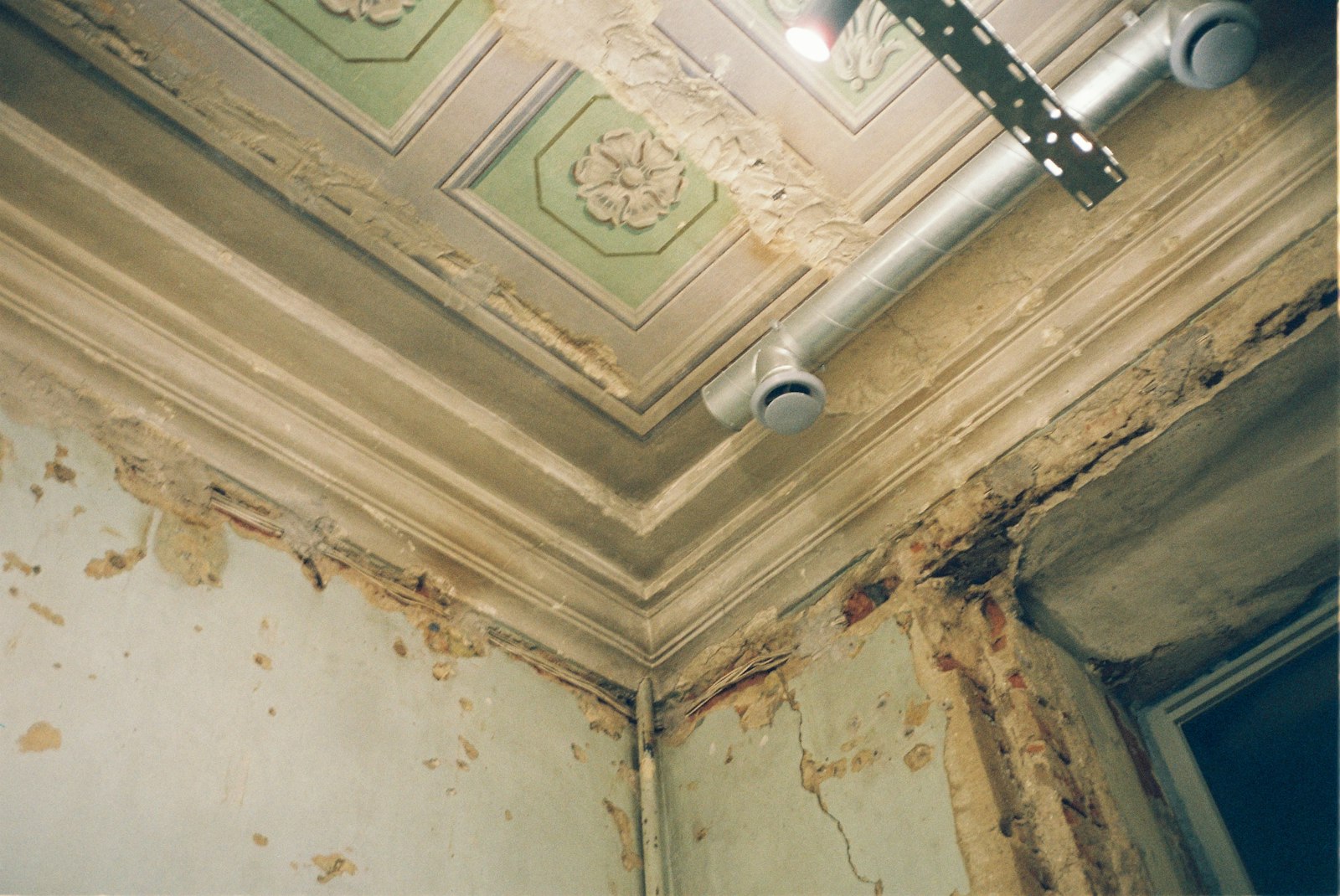
A finished basement that took on water holds it in the pad, the drywall and the bottom of the framing.
Mold After Water Damage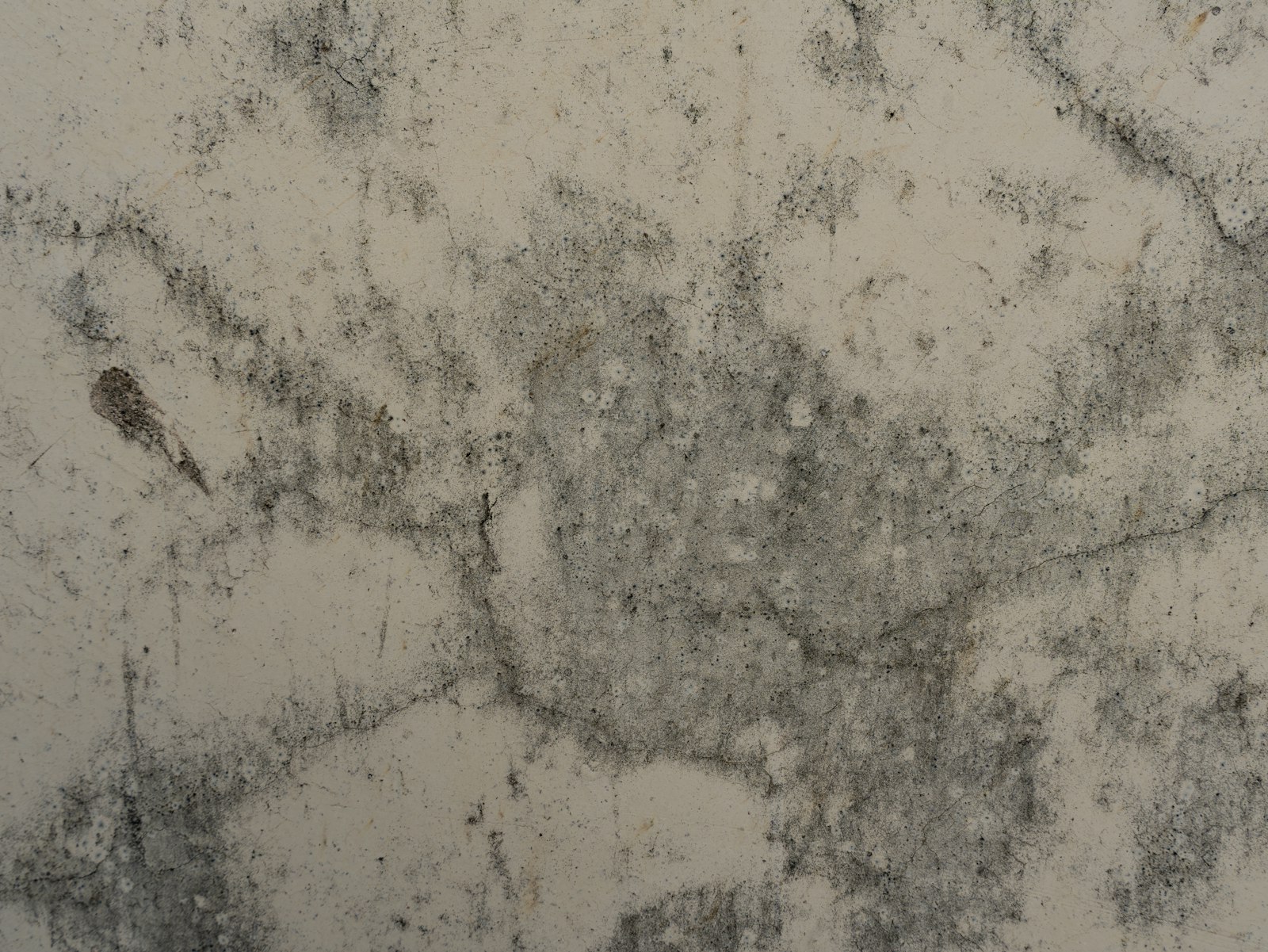
Offices, clinics, schools and rental buildings, with work planned around the hours the building is used.
Commercial Mold Remediation
A musty smell the moment the blower starts usually traces back to the equipment or a damp duct run.
HVAC and Duct Mold Cleaning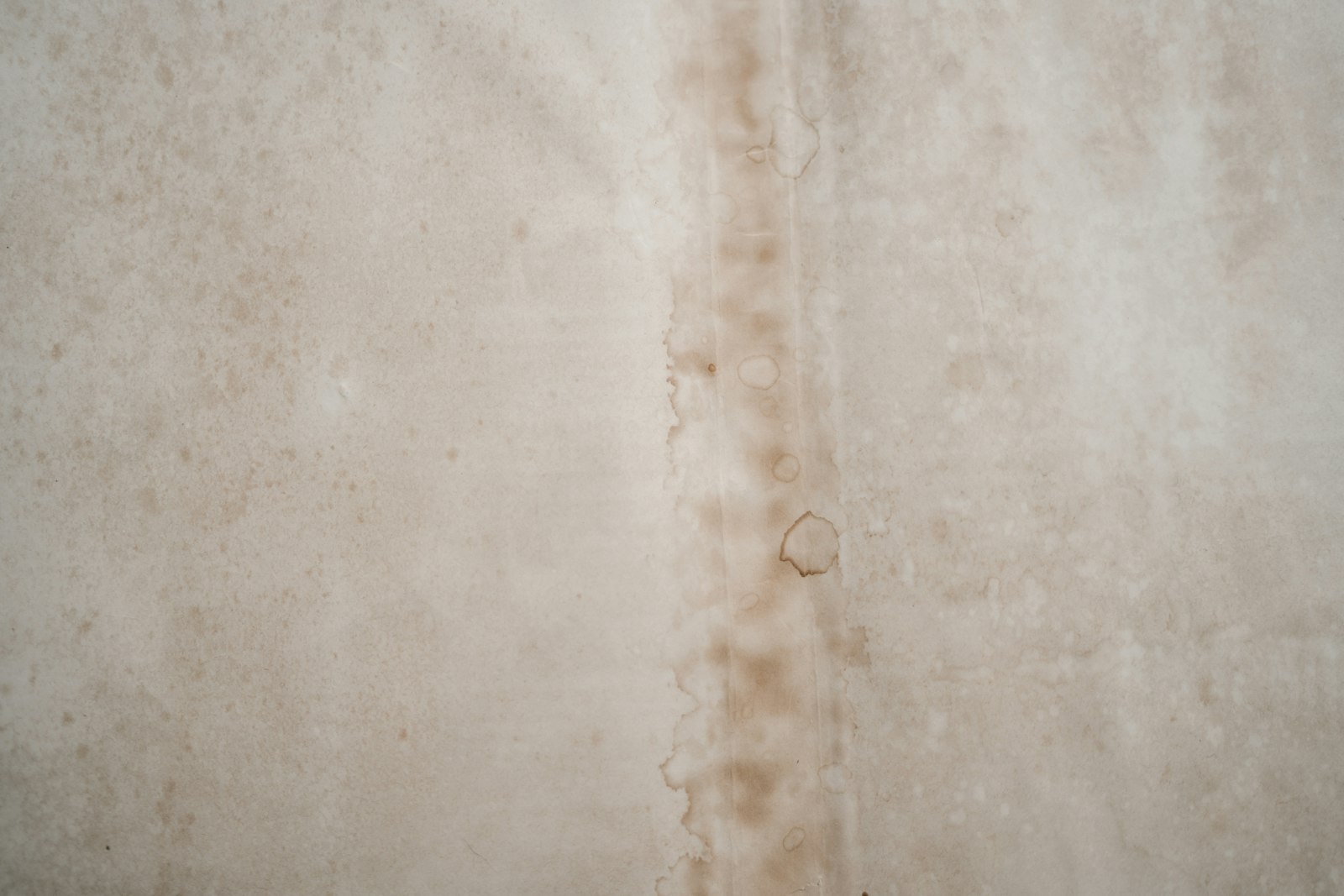
The dry, clean and ready check after remediation, with the readings and the result in writing.
Post-Remediation Clearance TestingWiping a wall down without stopping what wet it buys a few months at most. A good inspection starts at the source, whether that is a seeping below-grade wall, a supply line inside a cold exterior wall, a shower with no working fan or condensation on cold duct work.
Ask the provider to show what is affected, what has to come out and what can stay. The quote should cover containment, removal, cleaning, drying and disposal, and you approve it before anyone opens a wall.
Colorado does not issue a state mold license, so the useful question is what standards a company works to. Ask how containment, air filtration and the final check will be handled, and ask for that in writing.
Almost every home here has a basement or a crawl space, and that is usually where the work starts: seepage through a below-grade wall after snowmelt, a window well that fills during an August storm, or a finished lower level that dried on the surface and stayed wet underneath. Upstairs, a winter of closed windows and a humidifier turned too high puts enough water on cold glass and exterior walls to start growth in a climate most people think is far too dry for it.
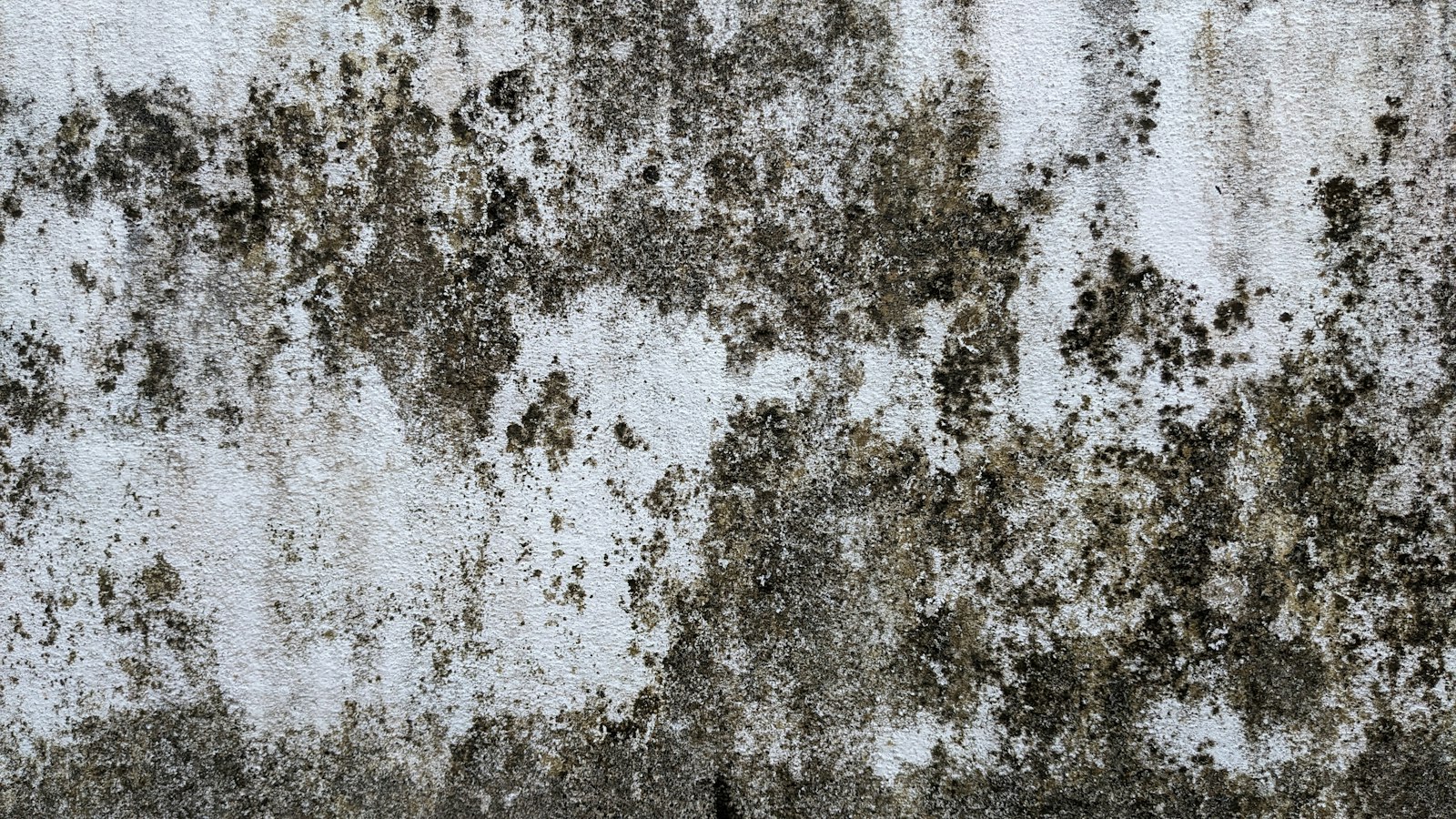
The smell usually arrives before anything is visible. It often traces back to a below-grade wall, a floor drain or the carpet pad in a finished room.
View guidanceSpeckling on a cold outside wall or behind furniture usually means condensation rather than a leak, but both are found the same way.
View guidanceA stain that reappears after paint means water is still arriving. Sealing over it hides the evidence and lets the growth continue behind the surface.
View guidanceWater running down the glass in January is a sign the indoor air is carrying more moisture than the house can handle at this altitude.
View guidanceDark patches on the underside of the roof deck usually follow warm indoor air leaking up through the ceiling and freezing against a cold surface.
View guidance
Black lines in grout or caulk and staining on the ceiling above a shower point to a fan that is not moving enough air out of the room.
View guidanceDescribe what you can see or smell, where in the building it is and whether there was a leak, a wet basement or a roof problem before it started.
An independent provider follows the moisture rather than the stain: below-grade walls, crawl space, under sinks, the attic and anywhere air moves between them.
Ask the provider to show what is affected, what has to come out and what can stay, and to price containment, cleaning, disposal and drying before work starts.
The work area is sealed and filtered, affected material is removed and bagged, surfaces are cleaned and the space is dried and checked before it is opened up.
Up on the Palmer Divide the snow piles deeper and lingers longer, so roofs, window wells and north walls stay wet well into spring.
View Monument service
Homes on the low ground near Fountain Creek take on storm runoff in summer, and basement seepage follows a heavy afternoon downpour.
View Fountain service
Canyon lots, older houses and a creek with a flood history make damp crawl spaces and cool, poorly aired rooms a regular finding.
View Manitou Springs serviceShaded, wooded acreage keeps roofs and north-facing walls damp, and most properties run on a well and a septic system.
View Black Forest serviceAt mountain elevation the cold runs deeper and longer, and second homes sit closed up for weeks between visits.
View Woodland Park serviceNewer north-side houses are built tight, with finished basements, and a winter of closed windows keeps indoor moisture inside.
View Briargate serviceEast-side homes near Peterson Space Force Base change hands and tenants often, so problems can sit unreported between moves.
View Cimarron Hills serviceLow flat ground near Fountain Creek, 1960s to 1990s houses and shallow crawl spaces that hold ground moisture.
View Security-Widefield serviceOpen prairie east of the city, newer homes with finished basements and a number of properties on their own well.
View Falcon serviceHow much wet material has to come out, whether a sealed work area is needed and how hard the space is to reach. Ask the independent provider to inspect first and confirm the price, with the cleanup priced separately from any work needed to stop the water. Compare the two scopes here.
A musty smell that is strongest downstairs, chalky residue or bubbling paint near the floor, and a stain that returns after painting are the usual clues. An independent provider should use moisture meters rather than guesswork to find out what is wet behind the surface. See what an inspection covers.
Colorado Springs Mold Experts lists Colorado Springs and nearby communities including Monument, Fountain, Manitou Springs, Black Forest, Woodland Park, Briargate and Cimarron Hills. Call with the property ZIP code; availability depends on the provider. Check the full coverage list.
Mold can irritate, and people with asthma or allergies may react to it, but no remediation company can tell you what growth is doing to your health; that belongs with a doctor. What is certain is that wet material with growth on it should come out of the building. Read how it is handled.
A small job is often finished in a day, while a finished basement with wet framing takes longer because drying has to be complete before anything is rebuilt. Ask the independent provider for a realistic schedule once the scope is set. See the stages of a job.
Yes. Mold grows on wet material, not on humid air, and a house sealed up for a long heating season produces plenty of it: condensation on cold walls, seepage after snowmelt and leaks nobody noticed. Read how that happens here.
A small patch on a hard surface such as tile or a tub surround is reasonable to clean yourself. Growth on drywall, insulation or carpet pad, or anything larger than a small patch, spreads spores when scrubbed and should be contained first. See how containment works.
Warm indoor air leaks into a cold attic, condenses or freezes on the roof sheathing and then wets the wood during a thaw. The fix is sealing the air path and clearing the ventilation, not just cleaning the stain. See how attic work is scoped.
Stop the water if you safely can, get anything wet off the floor and have the materials checked before you rebuild. Carpet pad, the base of the drywall and the framing behind it hold water long after the surface feels dry. See what usually has to come out.
Usually not when growth is visible and the cause is clear, because the work is the same either way. Sampling earns its place when nothing can be seen, or when a buyer, landlord or property manager needs documentation. See when testing is worth it.
Call and describe what you are seeing and where the water came from to reach an independent provider.