Containment and air filtration
The work area is sealed off with sheeting, and filtered equipment keeps air moving out of the clean parts of the building rather than into them. Vents in the work area are covered so the system does not carry spores.
Growth is cleaned up inside a sealed, filtered work area so the rest of the building stays clean, and the reason the material was wet is dealt with first. Ask the independent provider to quote the whole scope before anyone opens a wall.
In a finished basement the visible patch is rarely the whole job. Carpet pad, the bottom edge of drywall, the back of a baseboard and the framing behind it can all be wet while the surface looks dry, so the scope is set by what the meters find rather than by what shows.
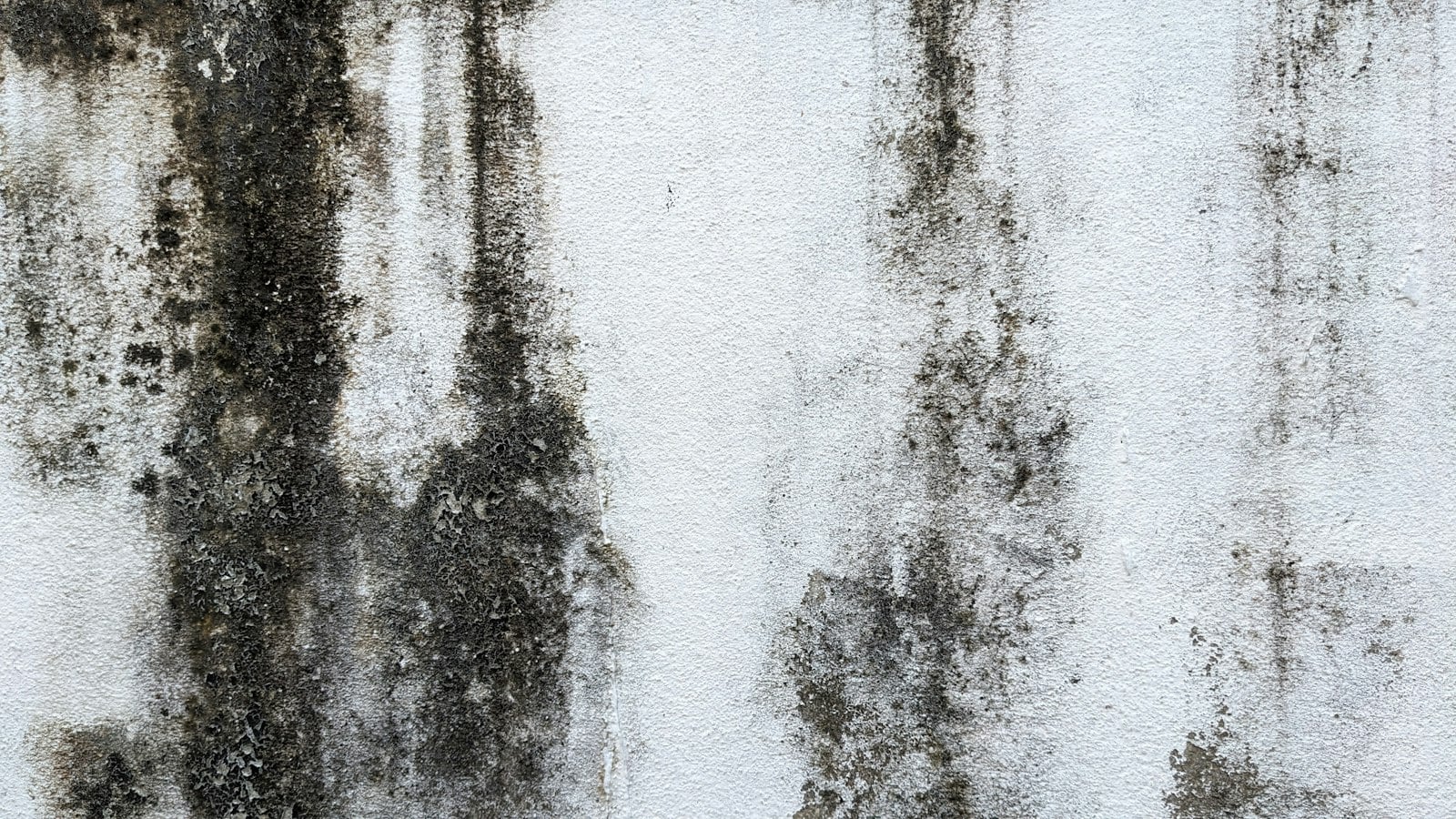
The scope depends on how much material is affected and where the air in that space goes. An independent provider can explain which items apply to your property and which do not.
The work area is sealed off with sheeting, and filtered equipment keeps air moving out of the clean parts of the building rather than into them. Vents in the work area are covered so the system does not carry spores.
Porous material that stayed wet, such as carpet pad, insulation and the lower edge of drywall, usually leaves the building. Framing, concrete and hard surfaces are normally cleaned in place rather than replaced.
Once the material is out, the space is dried and the readings are rechecked before anything is closed up. Putting new drywall against a wall that is still damp restarts the whole problem.
Cleanup and prevention are two different line items. The first gets the growth out of the building; the second stops the water that fed it, which might mean regrading a downspout, covering a window well, adding a bath fan or sealing air leaks into the attic. A quote should show both.
Before you approve anything, read the removal versus remediation comparison so you know which scope you are buying, and see what an inspection should establish first.
Dark growth on long-wet material is covered on our black mold page, and how it works walks through the visit from the first call to the final check. If you want the finished result documented before the wall goes back, add clearance testing to the scope.
Mostly the amount of material involved, how hard it is to reach and whether containment has to be built. Ask the independent provider to price the work after seeing it, with the quote separating the cleanup from any prevention work.
A small patch on a hard surface such as tile or a tub surround is reasonable to clean yourself. Bleach does not do much on porous material like drywall, and scrubbing a large area without containment spreads spores through the house. Anything beyond a small patch is worth an inspection first.
Small jobs are often done in a day, while a finished basement with wet framing takes longer because drying has to finish before rebuilding starts. Ask the independent provider for a realistic schedule once the scope is set.
Usually not. Containment is built so the rest of the house stays usable, though you may be asked to stay out of the work area and to keep the system off in that zone while equipment runs.
Call and describe what you are seeing and where the water came from to reach an independent provider.