Black Mold Removal

Dark growth on material that has stayed wet for a long time worries people more than any other finding. Colorado Springs Mold Experts explains plainly what it is, why the cleanup does not change much with the species, and what happens next.

  • Pricing Varies
  • Mold Referral Service
  • Independent Providers

Signs That Need Attention

  • Black or very dark green growth on drywall, paper or wood
  • Material that has been wet for days or longer, not just damp once
  • A strong smell in a closed basement, crawl space or closet
  • Growth found after seepage, a burst line or a slow drip behind a wall
  • Anyone in the building with asthma or allergies reacting in that room

The species people mean by black mold, Stachybotrys, tends to appear on material that has been soaked and left that way, which in Colorado Springs usually means a below-grade wall, a crawl space or the back of a cabinet where a supply line dripped for weeks before anyone noticed.

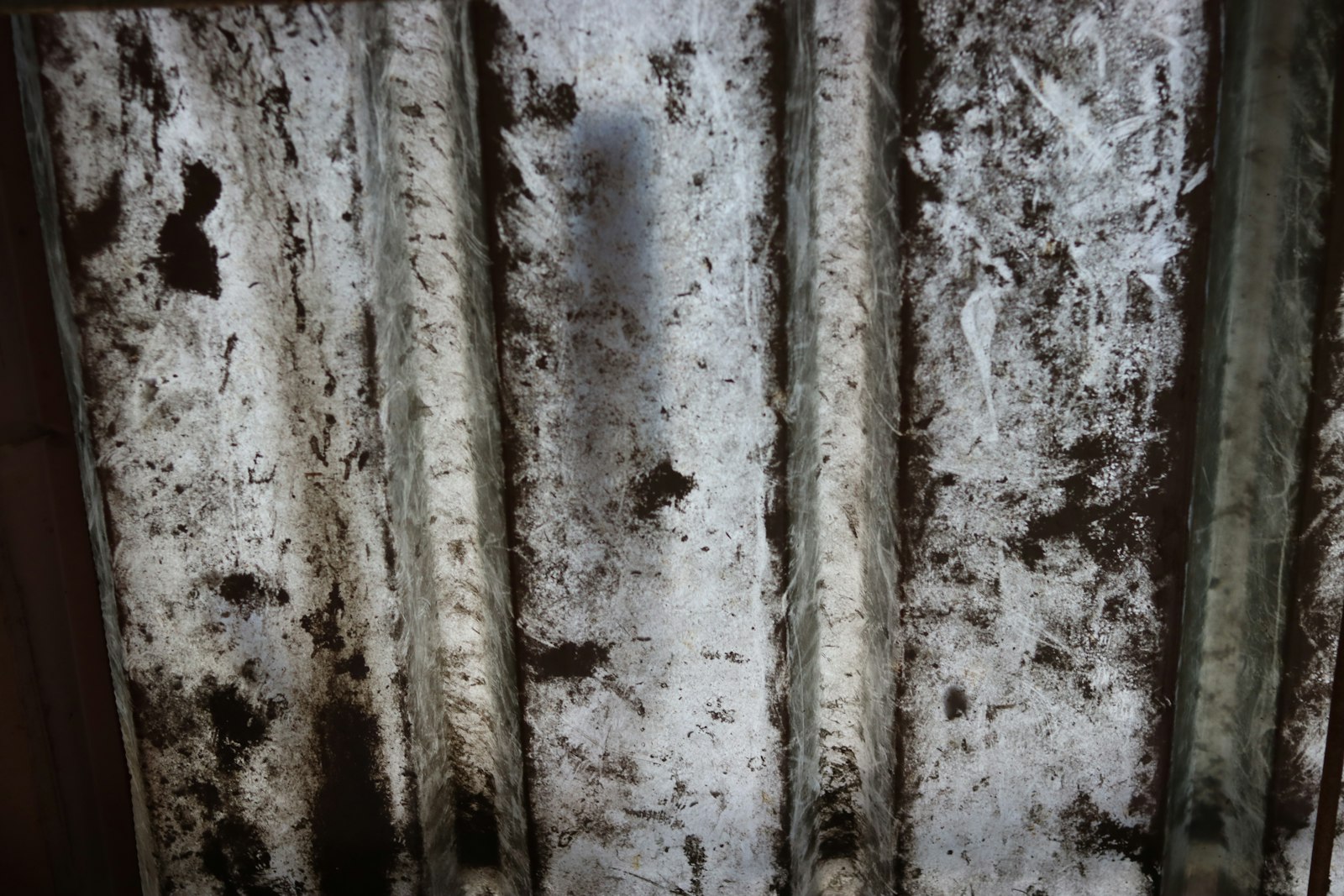
Decaying material with dark mold patches

What the Service Includes

Whatever is growing, the handling is the same: contain the area, keep the air moving in the right direction, get the wet porous material out and stop the water.

What black mold actually is

It is a common name, not a diagnosis. Several molds look dark, and only a lab can name one. Mold can irritate, and people with asthma or allergies may react to it, but nobody on a cleanup crew can tell you what it is doing to your health. That is a question for a doctor.

Why the species rarely changes the work

Wet porous material that has grown mold comes out of the building either way, and the same containment and filtration apply. Paying for identification before the cleanup seldom changes what the crew does.

Handling and disposal

Affected material is bagged inside the contained area and carried out rather than dragged through living space. Surfaces that stay are cleaned, then the area is dried and checked before it is closed.

Your Options

If someone tells you dark growth means the house has to be gutted, ask to see the moisture readings that support it. Scope should follow what is wet, not what color it is.

Start with an inspection so the wet path is mapped, then compare the scopes in our removal versus remediation guide before approving work.

Our plain-language guide to what black mold means goes further, and mold removal covers the containment side in detail.

Black Mold Removal Questions

Is black mold more dangerous than other mold?

No cleanup company can answer that for your health, and Colorado Springs Mold Experts will not try. What is true is that mold can irritate, that people with asthma or allergies may react, and that any mold growing on wet material belongs out of the building. Health questions belong with a doctor.

Should I test to find out if it is black mold?

Usually not before the cleanup, because the work is the same either way. Testing is more useful when nothing is visible or when a record is needed for a landlord or a sale. See inspection and testing for when a sample earns its place.

Can I stay in the house?

Most people do. A provider usually seals the work area so the rest of the building stays usable. If someone in the home is sensitive to the smell or reacts in that room, talk to a doctor about whether to stay elsewhere while the work runs.

What if it came back after a previous cleanup?

Growth that returns means water is still arriving. The second visit should focus on the source, not the stain, which may mean drainage at the foundation, a window well, an indoor humidity setting or a slow leak behind a fixture.

Call about a mold inspection in Colorado Springs

Call and describe what you are seeing and where the water came from to reach an independent provider.

Call for Service: (719) 223-1306