Colorado Springs Mold Inspection for Buyers
A mold inspection in Colorado Springs during a home sale looks for moisture, visible growth and the leaks that feed it, so buyers and sellers can decide what to fix before closing. It is separate from a general home inspection. Call to be connected with a local provider who can explain the options for your property.
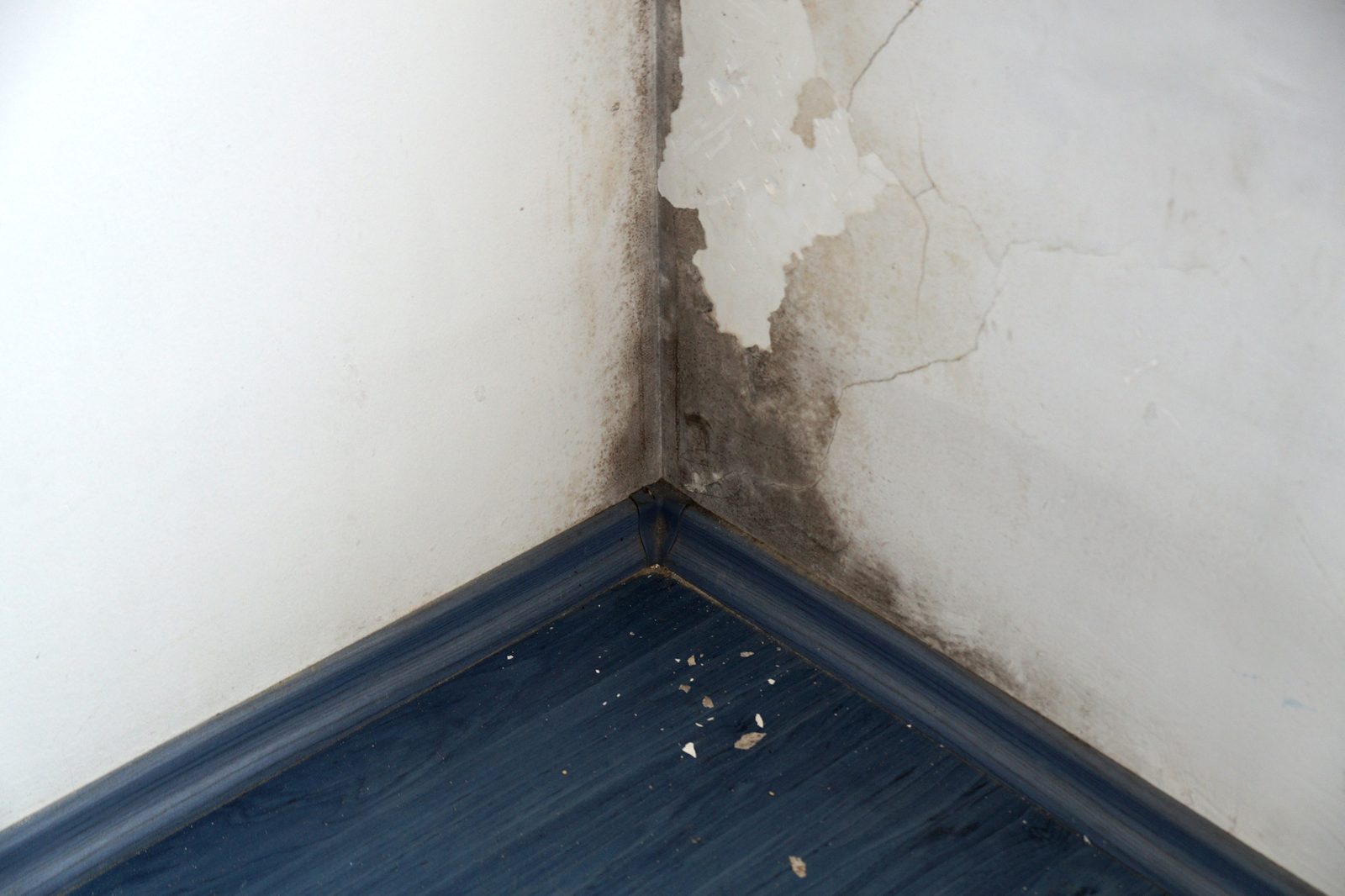
- A general home inspection may note stains or musty odors, but a mold inspection focuses on moisture sources and where growth may be hiding.
- Colorado does not have a state mold-remediator license, so ask any provider to explain their process in writing.
- In Colorado Springs, the mean first fall freeze is October 2nd and the mean last spring freeze is May 8th (NWS Pueblo), so freeze-related leaks can show up during listing season.
- Fixing the water source comes first. Cleaning mold without stopping the moisture usually means it comes back.
- Buyers and sellers can both request an inspection. Results help with repair requests, disclosures and negotiations.
Do I need a mold inspection in Colorado Springs when buying a house?
You do not always need one, but a mold inspection in Colorado Springs is worth considering when the home inspector notes water stains, a musty smell, past leaks, a finished basement with damp spots, or an attic with frost or dark staining. It gives you a clearer picture before your inspection objection deadline.
A general home inspection covers the whole house at a high level. A mold inspection goes deeper on one question: is there moisture, and is it feeding growth you cannot see? For a full overview of what the service covers, see the mold inspection and testing page.
What is the difference between a home inspection and a mold inspection?
A home inspection is a broad visual check of the roof, structure, plumbing, electrical and systems. A mold inspection focuses on moisture and mold. It uses moisture readings, a closer look at known problem areas and, when it makes sense, sampling to help explain what is going on.
- Home inspection: notes visible stains, odors or signs of past water. It usually does not trace the source in detail.
- Mold inspection: checks basements, crawl spaces, attics, bathrooms, under sinks, around windows and HVAC equipment for moisture and growth.
- Sampling: can be useful in some cases, but it is not the first step. Finding and fixing the moisture source matters more.
Where do inspectors usually find mold in Colorado Springs homes?
Most mold found during Colorado Springs home sales is near a water source: basements, attics, bathrooms, kitchens and around windows. The dry climate helps, but leaks, ice dams, snowmelt and plumbing problems still create damp spots that stay wet long enough for growth.
- Basements: damp carpet, staining low on drywall, and musty storage rooms.
- Attics: dark staining on roof sheathing from poor ventilation or warm bathroom air vented into the attic. See attic mold remediation.
- Bathrooms and kitchens: under-sink leaks, failed caulk and weak exhaust fans.
- Past water damage: areas repaired after a pipe leak or backup that were not fully dried. See mold after water damage.
For more warning signs, read signs of hidden mold.
Need help now? Call to be connected with a local provider in Colorado Springs who can check availability for your address.
Should a seller get a mold inspection before listing?
A pre-listing mold inspection can help a seller find and fix problems on their own schedule instead of during a tight contract deadline. If a past leak or basement dampness is known, checking it early gives you time to fix the source, address any growth and keep records to share with buyers.
Sellers should keep receipts, photos and any written reports. If cleanup is done, a post-remediation clearance check can document the result. Ask a real estate professional or attorney about what you need to disclose, since that is a legal question, not a mold question.
What happens during the visit?
The visit starts with an inspection. The provider looks at the areas of concern, takes moisture readings and checks likely sources such as plumbing, roof leaks, windows, grading and HVAC. Then they explain what they found and what the options are. You get a written quote before any work begins.
- Inspection: a walk-through of the home, with extra attention to basements, attics and wet rooms.
- Options explained: fixing the moisture source, small cleanups a homeowner can handle, or larger removal with containment.
- Written quote: scope and price in writing before any work, so buyers and sellers can use it in negotiations.
No one can promise a schedule before seeing the home, so ask about availability when you call.
What should a buyer do if mold shows up on the inspection report?
If mold or moisture shows up on the report, do not panic. Get the moisture source identified, get a written scope for any cleanup, and use that information in your repair request. Many findings are small and fixable. Larger areas usually call for removal with containment by a provider.
- Ask the seller about past leaks, backups and repairs.
- Request a written scope that names the moisture source and the affected materials.
- Decide whether you want the seller to handle the fix, a credit, or a different path. Your agent can explain the options under your contract.
- If work is done before closing, ask for documentation and consider a clearance check.
See how mold removal and remediation usually works, and how removal differs from remediation.
Is mold testing always needed for a home sale?
No. Testing is not always needed. If mold is visible and the moisture source is clear, the next step is usually fixing the source and cleaning up. Public agencies generally say that if you can see or smell mold, there is a problem to fix, and that sampling is not the first step.
Testing can still help in some sale situations, for example when there is a musty odor with no visible source, or when a buyer or seller wants documentation after cleanup. Ask the provider to explain why they recommend sampling and what the results will and will not tell you.
Can mold problems come back after a home sale?
Yes, mold can come back if the moisture source was never fixed. That is why the water problem matters more than the visible growth. A clean wall in front of a slow leak will usually show staining again.
After you move in, watch the spots the report flagged, run bathroom fans, keep gutters and downspouts clear, and check under sinks and around the water heater. The guide on preventing mold in a dry climate has simple habits for Colorado Springs homes.
What makes home-sale mold checks different in Colorado Springs?
Colorado Springs homes face a mix of freeze, storm and soil conditions that can lead to the leaks inspectors look for. Here is what local sources say:
- No state mold license: Colorado does not have a state mold-remediator license. HB25-1202, which would have created a state registration for mold remediation and assessment providers, is listed by the General Assembly as "Lost." Ask any provider to explain their process and give you a written scope.
- Freeze season: NWS Pueblo lists Colorado Springs' mean date of first fall freeze as October 2nd and its mean date of last spring freeze as May 8th. Colorado Springs Utilities advises setting the thermostat at 55 degrees when away instead of turning the heat off, which matters for vacant homes on the market.
- Storm season: Colorado State University's climate assessment says nearly all of Colorado's thunderstorm hazards happen between March and October, with a peak in early June, and most impacts fall on the Front Range and eastern Plains. Hail and wind damage to roofs can lead to attic and ceiling leaks.
- Sewer lines: Colorado Springs Utilities says customers are responsible for maintaining the wastewater service line between the CSU main and their home. A past backup is worth asking about during a sale.
- Flood coverage: The Colorado Division of Insurance says homeowners and renters insurance does not cover flood losses, and flood insurance is a separate policy. Check your policy and document everything.
Buyers and sellers across the area, from Briargate and Monument to Falcon and Security-Widefield, can call to be connected with a local provider. See all service areas or the Monument mold page.
Related pages
Questions people ask
How do I get a mold inspection in Colorado Springs before closing on a house?
Call to be connected with a local provider and tell them your contract deadlines. They can explain availability and what the inspection will cover for your property.
Is a mold inspection part of a standard home inspection in Colorado?
Usually not. A general home inspection may note stains or odors, but a separate mold inspection focuses on moisture sources and possible hidden growth.
Should I walk away from a house in Colorado Springs that has mold?
Not necessarily. Many mold findings are small and tied to a fixable leak. Get the moisture source identified and a written scope, then decide with your agent whether to ask for repairs, a credit or another option.
Can a seller just paint over mold before listing a house?
Painting over mold does not fix it. The moisture source needs to be found and fixed, and affected materials cleaned or removed, or the staining usually comes back.
Who pays for mold remediation in a Colorado home sale?
It depends on what the buyer and seller agree to. Repairs, credits and price changes are all common paths. Your real estate agent can explain the options under your contract.
Does a seller in Colorado have to disclose mold?
Disclosure is a legal question, so ask a real estate professional or attorney. Keeping records of past leaks, repairs and reports is a good habit either way.
Does Colorado require mold inspectors to be licensed?
Colorado does not have a state mold-remediator license. A 2025 bill that would have created a state registration for mold providers is listed as "Lost," so ask any provider to explain their process in writing.
What does a mold inspector look for in a basement in Colorado Springs?
They look for moisture and the signs it leaves behind: staining low on drywall, damp carpet, musty storage areas, and water near the water heater, sump or foundation walls.
Can a mold inspection find mold inside walls?
It can often find signs of it. Moisture readings, staining, odor and the location of past leaks help point to hidden problems, though confirming growth inside a wall may require opening a small area.
Is air testing for mold worth it when buying a home?
Sometimes. If mold is visible and the source is clear, testing usually is not needed. It can help when there is a musty odor with no visible source or when you want documentation after cleanup.
Is attic mold common in Colorado Springs homes?
Attic mold shows up in some Colorado Springs homes, often from poor ventilation, bathroom fans venting into the attic, or roof leaks after storms. An inspection checks the sheathing and the cause.
Can hail damage lead to mold in a house for sale?
It can if roof damage lets water into the attic or ceilings and it is not dried. Ask the seller about past storm claims and roof repairs, and have the attic checked.
What if the house I want to buy in Colorado Springs is vacant for the winter?
Vacant homes can be at higher risk of frozen pipes. Colorado Springs Utilities advises setting the thermostat at 55 degrees when away instead of turning the heat off. Ask whether the heat stayed on and check for signs of leaks.
Does homeowners insurance cover mold found during a home sale?
Coverage depends on the policy, so check with the insurer. Many policies treat sudden damage differently from gradual leaks, so check your policy and document everything.
Can I do a small mold cleanup myself before selling my house?
A small area of surface mold on a hard surface is often something a homeowner can clean, as long as the moisture source is fixed. Larger areas, or mold in drywall, carpet or HVAC, usually call for a provider.
Is mold a health risk I should worry about as a home buyer?
Public health agencies advise fixing moisture and cleaning up mold rather than living with it. If anyone in your household has health concerns, talk to a doctor; a mold inspection does not diagnose health problems.
Can a mold inspection help me negotiate the price of a house?
Yes, it can help. A written report and quote give you specific information to support a repair request or credit instead of a guess.
Talk to someone about your mold problem
Call to be connected with a local provider who can check availability for your address and explain the next step.