Post-Remediation Clearance Testing

Clearance is the check that happens after the cleanup and before the wall goes back. An independent provider can confirm the work area is dry, visibly clean and ready to close, then put the result in writing.

  • Pricing Varies
  • Mold Referral Service
  • Independent Providers

When Clearance Testing Is Worth It

  • Removal is finished and the containment and air scrubbers are still in place
  • Drywall, insulation, flooring or cabinets are about to be reinstalled
  • A buyer, a lender, a landlord or a property manager wants proof before the space is used again
  • Someone in the household still reports a smell after the work was called complete
  • The job started with basement seepage or a split supply line and the framing was wet for days

The order matters. Testing before the area is dry tells you almost nothing, and closing the wall before testing means opening it again if something was missed. The right moment is after cleaning and drying, while the containment can still be put back without much cost.

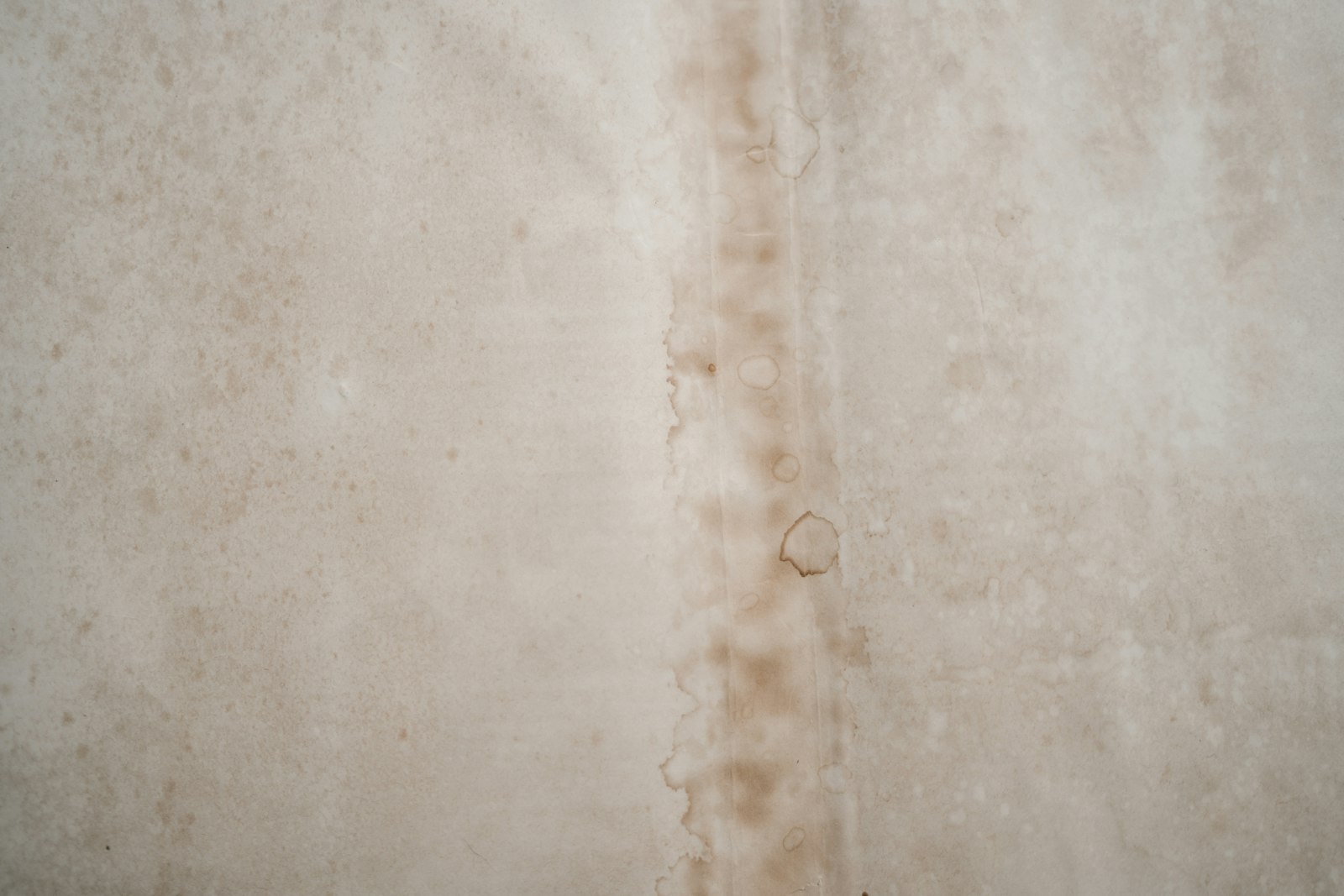
Brown water stain on a white wall

What the Service Includes

A clearance visit is a short, structured check with a written outcome, not a second cleanup.

Visual inspection of the work area

The cleaned surfaces, the cut lines, the framing and the containment are examined for remaining growth, settled dust and material that should have come out. Most failed checks are caught right here, before any sample is taken.

Moisture and humidity readings

Framing, subfloor and any remaining drywall are metered, and the temperature and relative humidity in the space are recorded. Material that is still holding water will simply grow again once the room is closed, so a dry reading is the point of the whole exercise.

Air sampling

Where sampling is appropriate, air is collected inside the work area and compared against an outdoor sample taken the same day, which is what gives the indoor number any meaning. Samples go to an independent laboratory for analysis.

Surface and tape sampling

Swabs or tape lifts from specific spots answer a narrower question: is this particular stain still active, or is it old staining on a surface that is now clean and dry. It is the cheaper way to settle an argument about one area.

A written result you can hand over

Ask for the readings, the photos, the sample results and a plain statement of what was found. That is the document a buyer, a lender, an owner or a tenant can actually use, rather than a verbal assurance that the job went fine.

What happens if it does not pass

The report says what failed and why, whether that is a wet stud bay, a missed section behind a cabinet or dust that was never cleaned up. The area is re-cleaned or dried further and checked again, and the scope for that is quoted before anyone goes back in.

Your Options

Many owners prefer that the testing be done by someone other than the crew that performed the removal, simply because a second set of eyes has nothing to defend. That is a reasonable request and you can arrange it either way. Whichever you choose, ask what standards and training the technicians follow, ask which laboratory analyzes the samples, and ask for the outdoor comparison sample to be included.

If work has not started yet, begin with a mold inspection, since the same readings taken beforehand are what the clearance visit is later compared against. The cleanup itself is described on the mold removal page, and removal versus remediation explains why a small surface job may not need a clearance check at all.

Offices, clinics, schools and rental buildings usually do want one on record, which is covered under commercial mold remediation. Newer homes on the east side, including Falcon, are often tested before a finished basement is put back together.

Clearance Testing Questions

What is a mold clearance test?

It is a check after remediation that the area is dry, visibly clean and ready to be closed up. It combines a visual inspection, moisture and humidity readings and, where useful, air or surface samples analyzed by a laboratory. Ask the independent provider to report the result in writing.

Should the same company that removed the mold also do the testing?

That is your call. Having the check done by someone independent of the removal removes any question about who is grading their own work, and it is common on real estate and rental jobs. Ask whoever does it which laboratory is used and whether an outdoor comparison sample is taken.

How long after remediation should clearance testing happen?

After cleaning and drying are finished and while the containment is still up. Testing too early catches material that has not dried yet, and testing after the wall is closed means reopening it if something was missed. The drying readings decide the day.

What happens if the property does not pass?

The report states exactly what failed, the affected area is cleaned or dried again and it is rechecked. Nothing goes back together in the meantime. Ask the provider to confirm price and scope for any additional work before authorizing it; see our contact page.

Call about a mold inspection in Colorado Springs

Call and describe what you are seeing and where the water came from to reach an independent provider.

Call for Service: (719) 223-1306