What Does Black Mold Look Like in Colorado Springs?
What does black mold look like in a Colorado Springs home? It usually appears as dark green, gray or black spots or patches that look fuzzy, slimy or sooty, often near a leak, a window, a shower or a damp basement wall. Color alone cannot confirm the type, so find the moisture source and call to be connected with a local provider.
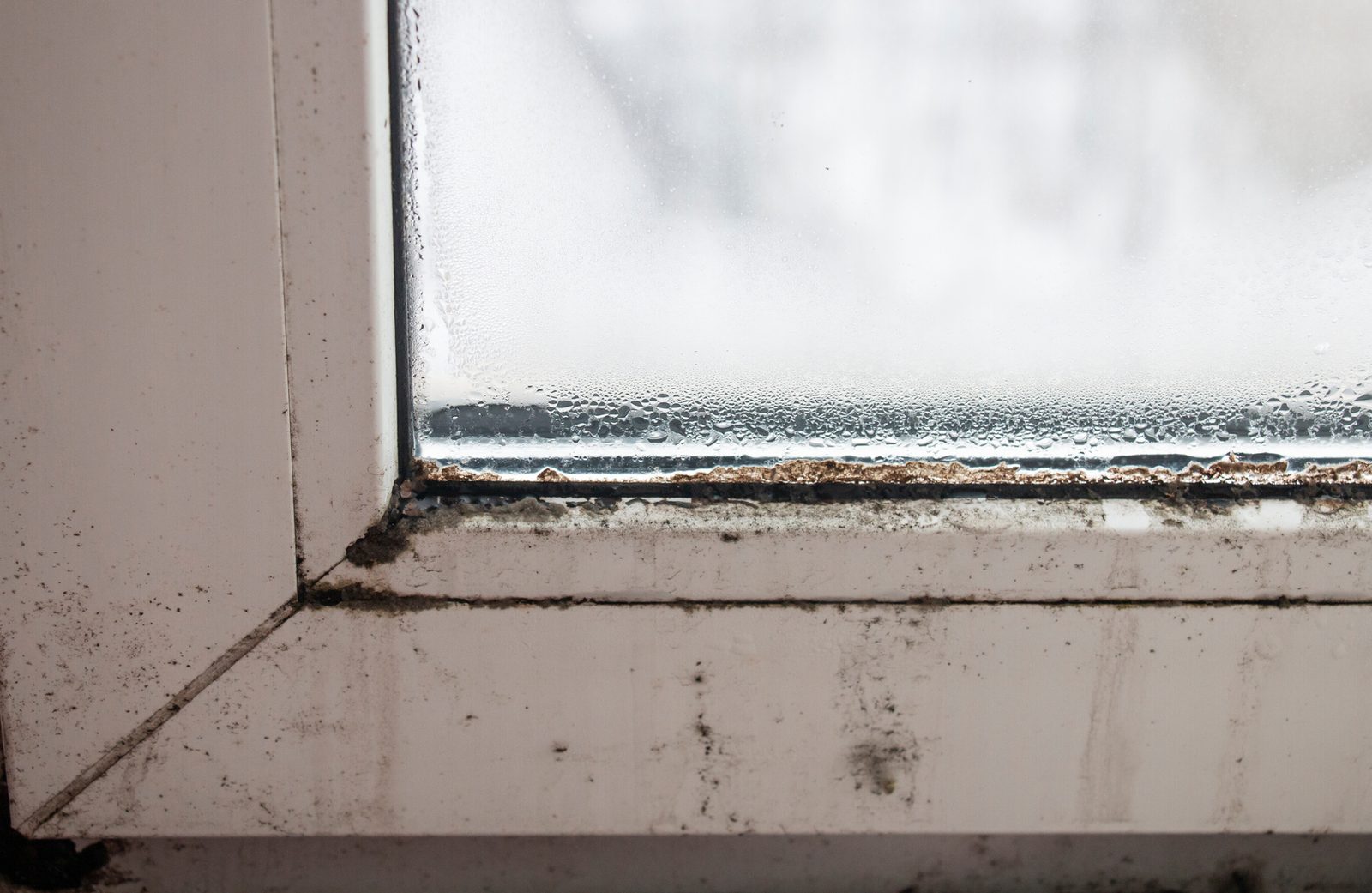
- "Black mold" is a common name, not a lab result. Many kinds of mold look black or dark green, and you cannot tell them apart by eye.
- Mold almost always grows where something stays damp: a slow leak, condensation, a shower with poor airflow or a basement after snowmelt.
- Public agencies such as the EPA advise treating all indoor mold the same way: fix the water problem, then clean or remove the growth, whatever the color.
- In Colorado Springs, the mean first fall freeze is October 2nd (NWS Pueblo), so frozen-pipe leaks and hidden damp spots often start in fall and winter.
- Colorado does not have a state mold-remediator license, so ask any provider to explain their process and scope in writing.
What does black mold look like on walls, ceilings and wood?
Black mold on walls, ceilings and wood in Colorado Springs homes usually looks like clusters of dark spots that spread outward in a rough circle or along a damp line. The color ranges from black to dark green or charcoal gray, and the texture can be fuzzy, slimy when wet, or dry and powdery once the area dries out.
Here is what to look for:
- Spotty or speckled patches that grow larger over weeks instead of staying the same size.
- A stain with a fuzzy edge, often with a lighter ring of yellow or brown water staining around it.
- Growth that follows a pattern, such as along a ceiling joint, the bottom of a wall, behind furniture against an outside wall, or around a window frame.
- Peeling paint, bubbling drywall or soft spots near the dark area, which point to moisture behind the surface.
On wood, such as attic sheathing or the framing in a crawl space, mold may look like dark speckles or a gray-black haze across the grain. See attic mold remediation for more on attic growth.
How can I tell black mold from dirt, soot or mildew?
To tell black mold from dirt, soot or mildew in a Colorado Springs home, look at where it is, how it spreads and whether it comes back. Mold grows in damp spots and returns after cleaning if the moisture is still there. Dirt and soot sit on the surface and wipe away without returning.
- Soot from candles or a furnace often shows up as dark lines along carpet edges, above vents or on ceilings near heat sources. It usually is not tied to a leak.
- Mildew is a word for mold in an early, flat stage, often gray or white and powdery on a shower wall or windowsill. It is still mold, just easier to clean when small.
- Mold tends to have a raised or fuzzy texture, a musty smell, and a link to water: a stain, a drip, condensation or a damp floor.
If you are not sure, do not scrub or sand it dry, since that can spread spores into the air. Take a photo and call to be connected with a local provider who can look at the area in person.
Is black mold different from regular mold?
Black mold is not a separate category from regular mold in any practical sense for Colorado Springs homeowners. The name usually refers to Stachybotrys chartarum, a dark mold that grows on materials that stay wet for a long time, like drywall paper and ceiling tiles. But many common molds are also black or dark green.
You cannot identify a mold species by color or by looking at it. Only lab analysis of a sample can do that, and public agencies such as the EPA and CDC generally say that testing to identify the species is not needed to decide what to do. The plan is the same for any color: find and stop the moisture, then clean or remove the growth safely.
For more background on how black mold is handled locally, read our black mold facts guide.
Need help now? Call to be connected with a local provider in Colorado Springs who can check availability for your address.
What does black mold look like in a bathroom?
Black mold in a Colorado Springs bathroom usually looks like black or dark green dots in grout lines, along caulk at the edge of a tub or shower, on the ceiling above the shower, or around the base of the toilet. It often starts as small speckles that join into larger patches.
Common bathroom spots to check:
- Caulk and grout that stays dark even after cleaning. Mold can grow into soft caulk.
- The ceiling corner above the shower, where steam collects when the fan is weak or not used.
- Under the sink, where a slow drip from a supply line or drain keeps the cabinet floor damp.
Surface spots on tile are often a ventilation issue. Dark stains that spread across drywall, or a floor that feels soft, can mean water is getting behind the surface. The bathroom and kitchen mold removal page explains what happens when growth goes deeper than the tile.
How do I identify black mold I cannot fully see?
To identify black mold you cannot fully see in a Colorado Springs home, watch for the clues it leaves: a musty smell that is stronger in one room, water stains, warped baseboards, peeling paint, or dark spots that show up along the edges of walls, carpets or cabinets.
Hidden mold is common behind drywall, under flooring, inside wall cavities next to plumbing, and in attics or crawl spaces. Signs that point to hidden growth include:
- A smell that returns soon after you air out the room.
- A stain that keeps growing or comes back after painting.
- Baseboards or trim that pull away from the wall.
Opening walls or pulling flooring yourself can release spores and damage materials you may need for an insurance claim. A mold inspection uses moisture readings and a careful visual check to find where water is collecting. See mold inspection and testing for what that covers.
What causes black mold to grow in a house?
Black mold grows in a house when a material stays wet for days or weeks. In Colorado Springs, the usual causes are slow plumbing leaks, frozen pipes that split, roof leaks after storms, condensation on cold surfaces, and poor airflow in bathrooms, closets and basements.
Mold needs three things: moisture, something to feed on (drywall paper, wood, dust, carpet backing), and time. Our dry air does not stop it, because the moisture comes from inside the wall or under the floor, not from outdoor humidity.
That is why cleaning alone rarely fixes the problem. If the water source is still there, the mold usually returns. For growth tied to a known leak or flood, the mold after water damage page walks through the next steps.
What can black mold do to you, and when should I worry?
Public agencies such as the CDC and EPA say mold can cause reactions like a stuffy nose, wheezing, or itchy eyes and skin in people who are sensitive to it. People with allergies, asthma or weakened immune systems may react more. They do not say black mold is uniquely dangerous compared with other indoor mold.
If you or someone in your home has symptoms you think may be linked to mold, talk with a doctor. For the house itself, the practical advice from public agencies is the same for any color: do not let mold keep growing, fix the moisture, and clean or remove the growth safely.
The EPA says a small patch, under about 10 square feet, can often be cleaned by a homeowner with gloves, eye protection and a mask, as long as the water problem is fixed. Larger areas, mold inside walls or in HVAC ducts, or growth after sewage or contaminated water are better handled by a professional.
What happens during the visit?
When you call, you are connected with a local provider who serves Colorado Springs and nearby communities. A typical visit follows these steps:
- Inspection: the provider looks at the visible growth, checks surrounding materials with moisture readings, and looks for the water source.
- Explanation of options: they explain what they found, whether the growth looks like surface mold or a deeper problem, and what choices you have.
- Written quote before work: you get a written scope and quote to review before any work starts.
To confirm the cleanup afterward, ask about post-remediation clearance testing.
Why does black mold show up in Colorado Springs homes?
Colorado Springs is dry most of the year, but local conditions still create the hidden moisture that black mold needs. Here is what local and state sources say:
- Freeze season: NWS Pueblo lists Colorado Springs' mean date of first fall freeze as October 2nd and its mean last spring freeze as May 8th. Frozen pipes that split inside walls can leave damp drywall that is not noticed for weeks.
- Heat while away: Colorado Springs Utilities advises setting the thermostat at 55 degrees when away instead of turning the heat off, because turning it off can lead to frozen or broken pipes.
- Storm season: Colorado State University's climate assessment says nearly all of Colorado's thunderstorm hazards, including hail and damaging winds, happen between March and October, with most impacts on the Front Range. Roof and window damage can let water into attics and walls.
- Water at the foundation: The Colorado Geological Survey says water from sources like irrigation next to the foundation makes expansive soil swell, and names planting next to the foundation as a problem. Water that collects there can also reach basement walls.
- No state mold license: Colorado does not have a state mold-remediator license, so ask any provider to explain their process in writing.
Basements in Fountain and Security-Widefield, older homes in Manitou Springs, and attics in Monument and Black Forest after heavy snow are all places worth checking. See the full list of service areas near Colorado Springs.
Related pages
Questions people ask
What does black mold look like when it first starts growing?
It usually starts as small black, gray or dark green dots or speckles. Over days or weeks they join into larger, fuzzy or slimy patches, often near a damp spot or leak.
How do I know if the black spots on my wall are mold?
Look for a musty smell, a link to moisture, and a fuzzy or raised texture. If the spots come back after cleaning or keep spreading, it is very likely mold.
What is the difference between black mold and regular mold?
In practical terms, very little. "Black mold" usually means Stachybotrys chartarum, but many molds are dark, and you cannot tell them apart by eye. The cleanup approach is the same.
Can you tell if mold is toxic just by looking at it?
No. Color and texture do not tell you the species or whether it produces toxins. Only lab analysis can identify a mold, and public agencies say all indoor mold should be addressed the same way.
What does black mold look like in a shower or bathtub?
It looks like black dots or streaks in grout lines and along caulk, especially in corners where water sits. If it stays dark after scrubbing, it may have grown into the caulk.
Is black mold in the bathroom dangerous?
Small spots on tile and grout are common and usually tied to poor ventilation. Public agencies say sensitive people can react to any mold, so clean it, improve airflow and talk to a doctor about any health concerns.
Can black mold be white or green instead of black?
Yes. Mold that people call black mold can look dark green or gray, and other molds can be white, green, yellow or pink. Color is not a reliable way to identify mold.
What causes black mold in a house in Colorado where the air is so dry?
Indoor moisture, not outdoor humidity. Slow leaks, frozen pipes, roof leaks after storms, condensation and poor bathroom ventilation can keep a spot wet long enough for mold to grow.
What does black mold look like on drywall behind furniture?
It often looks like a dark, speckled shadow low on the wall, sometimes with a yellow or brown water stain around it. It is common on outside walls where cold surfaces create condensation.
How can I tell soot from black mold on my ceiling?
Soot usually forms dark lines above vents, candles or heat sources and has no musty smell. Mold forms spotty patches near damp areas and tends to come back after cleaning.
Should I test black mold to find out what kind it is?
Usually not for deciding what to do. Public agencies say identifying the species is rarely needed because the response is the same. Testing can help in specific cases, such as a home sale or after cleanup.
Can I clean black mold myself in Colorado Springs?
For a small patch under about 10 square feet, the EPA says a homeowner can often clean it with gloves, eye protection and a mask after fixing the moisture. Larger or hidden growth is better left to a professional.
What can black mold do to you if you live with it?
Public agencies say mold can cause allergy-like reactions such as a stuffy nose, wheezing or itchy eyes in sensitive people. This article cannot diagnose illness, so talk with a doctor about symptoms.
What does black mold look like in an attic in Colorado Springs?
It usually looks like dark speckles or a gray-black haze on roof sheathing and rafters, often near vents, the roof edge or under a past leak. Frost and snowmelt can add moisture.
Is black mold common in Colorado Springs basements?
It can appear in basements anywhere water collects, such as after a plumbing leak, frozen pipe or water pooling near the foundation. Check corners, the bottom of walls and behind stored boxes.
Does homeowners insurance cover black mold in Colorado?
It depends on your policy and the cause. Many policies treat sudden damage differently from gradual leaks, so check your policy and document everything before cleanup.
How do I find someone to check for black mold in Colorado Springs?
Call (719) 223-1306 to be connected with a local provider. They can inspect the area, look for the moisture source, explain your options and give you a written quote before any work.
Talk to someone about your mold problem
Call to be connected with a local provider who can check availability for your address and explain the next step.