Black Mold: What to Know
Colorado Springs Mold Experts explains in plain terms what people mean by black mold, why the cleanup rarely depends on the species, and what to ask before approving work on a Colorado Springs property.
- Pricing Varies
- Mold Referral Service
- Independent Providers
By Colorado Springs Mold Experts · Updated September 2026
What People Mean by Black Mold
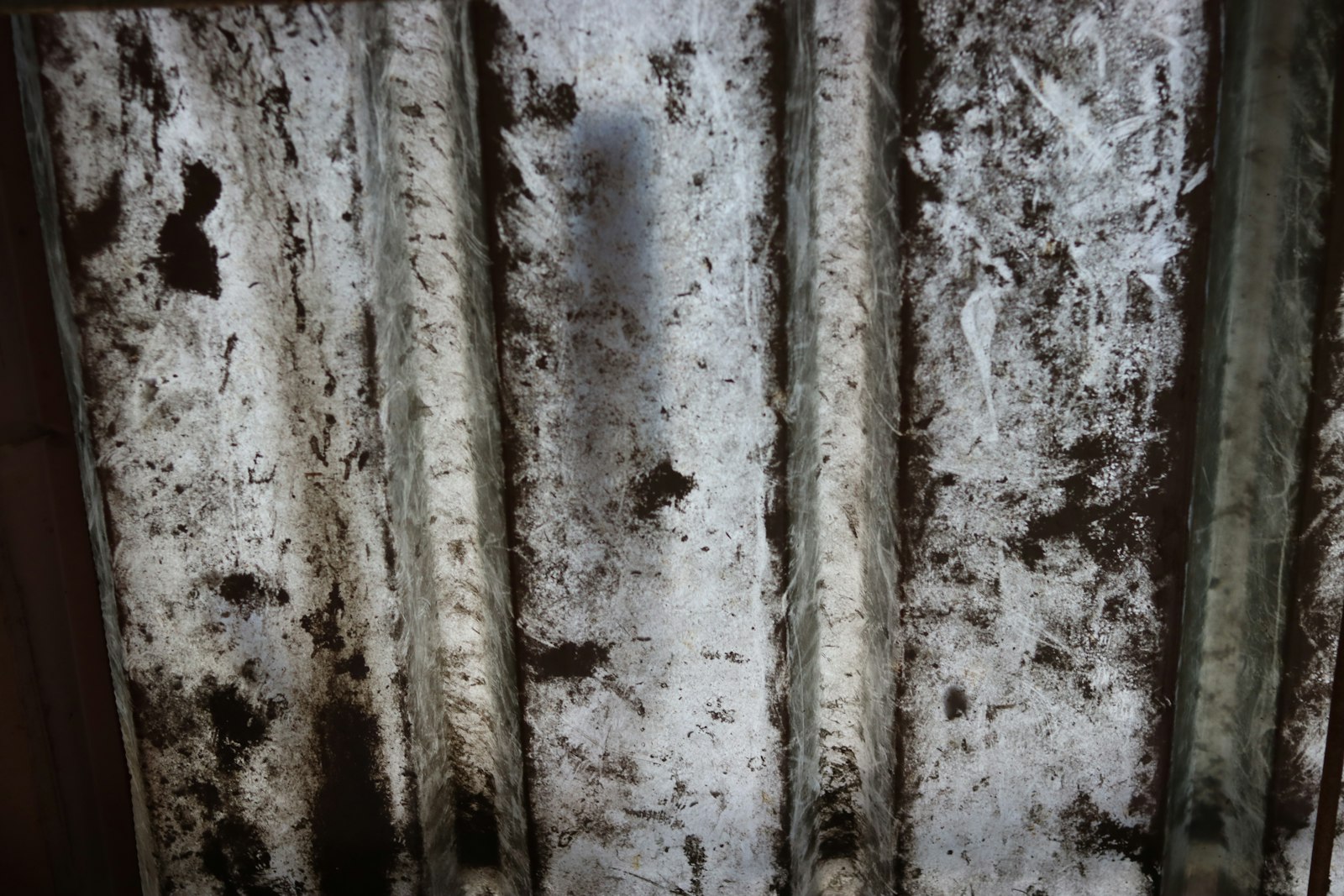
The phrase usually points at Stachybotrys, a dark mold that grows on material that has been wet for a long stretch rather than damp once. Paper-faced drywall, cardboard, wood and fiberboard that stayed soaked are its usual homes. In this region that means a below-grade wall after seepage, a crawl space with no vapor barrier, or the back of a cabinet where a fitting dripped for months.
Plenty of other molds are also dark. Color alone does not identify a species, and no technician standing in your basement can name one by looking at it.
Why Color Is a Poor Guide
What matters far more than the shade of the growth is how much material got wet, how long it stayed wet and whether the water is still arriving. A pale bloom on a saturated basement wall is a bigger job than a dark spot on a shower tile.
That is why a good inspection spends its time on moisture readings and the path the water took, and relatively little on what the growth looks like.
What Testing Does and Does Not Tell You
A lab can identify what was on a swab or in an air sample. What it cannot do is tell you how much material has to come out, because that is a moisture question. When growth is already visible and the cause is clear, sampling often changes nothing about the work.
Sampling earns its place in other situations: when there is a smell but nothing visible, when a landlord, buyer or property manager needs documentation, or when you want a record of conditions before a cleanup starts. The inspection page explains when it is worth requesting.
How the Cleanup Actually Works
The work is the same regardless of species. The area is sealed off with sheeting, filtered equipment keeps air flowing out of the clean part of the building, and vents in the work zone are covered so the system does not carry spores elsewhere.
Wet porous material comes out and is bagged inside the contained area. Framing, concrete and hard surfaces are cleaned in place, then the space is dried and rechecked before it is closed up. The detail is on the black mold removal page.
The Health Question
This is the part where honesty matters. Mold can irritate, and people with asthma or allergies may react to it. Beyond that, a remediation company is not in a position to tell you what any growth is doing to your health, and you should be wary of one that tries.
If someone in the household feels unwell in a particular room, that is a conversation for a doctor. The building side is straightforward: wet material with growth on it belongs out of the house, and the water that wet it has to stop.
Claims Worth Questioning
Two sales lines come up often. The first is that dark growth means the house has to be gutted. Ask to see the moisture readings that justify the scope, because the wet material sets the limits, not the color.
The second is that a spray or fogging treatment solves it without removing anything. Coating growth on wet drywall does not make the drywall dry, and the growth is inside the material rather than sitting on top of it.
What to Ask Before You Approve Work
Ask what is wet, and ask to see the readings that show it. Ask what will be removed and what will be cleaned in place, and why. Ask how the work area will be sealed, where the air will be pushed and how material will leave the building without crossing living space.
Then ask the question people forget: what is causing the moisture, is fixing that part of this quote, and how will we know the job worked? A final check should be described before the work starts, not invented afterwards. Colorado does not license mold work at the state level, so ask directly what standards and training the crew follows and get the answer in writing with the quote.
Where It Shows Up Around Colorado Springs
Long-wet material is the common thread. Basements that seeped during a slow spring melt, crawl spaces under older houses with bare soil floors, and cabinet bases under a slow drip are the three findings that come up again and again.
Older canyon-side houses have their own version, where shade, cool rooms and small crawl spaces keep things damp for months. See Manitou Springs for how that plays out locally.
Arrange an Inspection
If you have found dark growth, leave it alone and get the wet path mapped. An independent provider can inspect the property, explain what is affected and quote the cleanup before work. Compare what you are being offered against the removal versus remediation guide first.
The general cleanup process is on the mold removal page. When you are ready, call for a referral and say how long the material has been wet, because that is the detail that shapes the scope most.