Black Mold vs Mildew in Colorado Springs
Black mold vs mildew comes down to where the growth sits and how deep it goes. In a Colorado Springs home, mildew is usually flat, powdery and on the surface, while dark mold is often fuzzy or slimy and can reach into drywall or wood. Both mean moisture, so fix the water first and call when it is large.
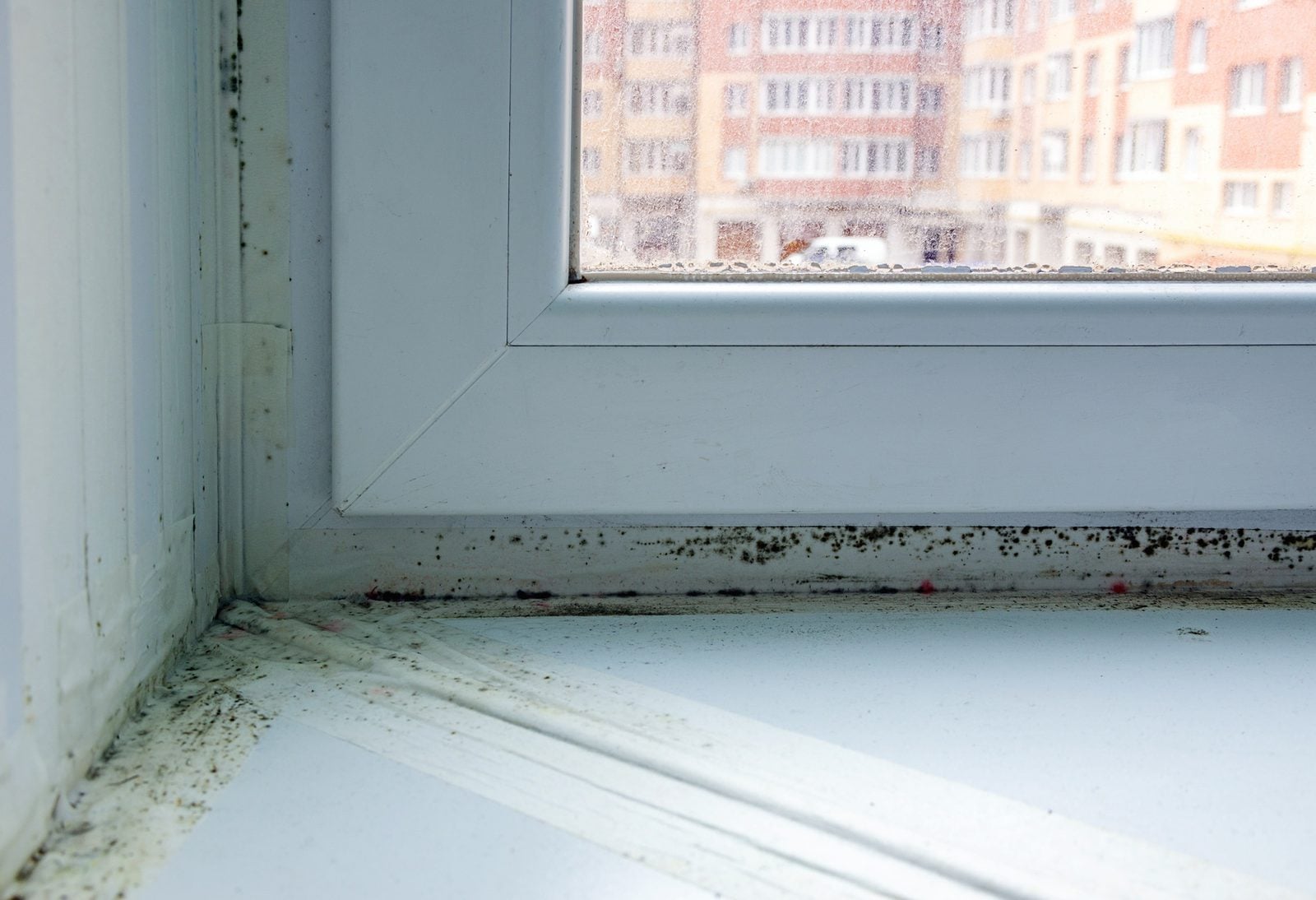
- Mildew is a common name for mold in an early, flat growth stage. It is still mold.
- "Black mold" is a nickname for dark-colored mold. Color alone cannot tell you the species.
- The EPA's general guidance is the same for any indoor mold, whatever the color: find and fix the moisture, then clean or remove the growth.
- The EPA says many homeowners can clean a mold area smaller than about 10 square feet themselves, if the moisture is fixed and they take basic precautions.
- Colorado does not have a state mold-remediator license, so ask any provider to explain their process and scope in writing.
Black mold vs mildew: what is the actual difference?
The difference between black mold and mildew in a Colorado Springs home is mostly about growth stage, texture and depth. Mildew is a name for mold that stays flat on a surface, often gray, white or light brown and powdery. "Black mold" is a nickname for mold that looks dark green or black and is often fuzzy or slimy.
- Mildew is mold. The word describes how some mold looks when it is young and growing on a smooth, damp surface such as grout, a shower curtain or a windowsill.
- "Black mold" is not a lab term. Many different molds look dark. You cannot tell which one you have by color.
- Depth matters more than color. Growth on a hard, sealed surface is usually easier to clean. Growth that has soaked into drywall, carpet pad or wood is harder to remove and may mean the material has to come out.
- Both have the same cause. If the spot keeps getting wet, it will keep coming back.
For more on dark growth, see what black mold looks like.
How can I tell mildew from black mold at home?
You can usually tell mildew from darker mold in a Colorado Springs home by checking color, texture, location and how it behaves after cleaning.
- Color: mildew tends to start white, gray or yellow-brown. Darker mold is often black, dark green or charcoal.
- Texture: mildew is usually flat and powdery. Darker mold may look raised, fuzzy or slimy.
- Location: mildew shows up on surfaces that get wet and dry often, like a shower wall or window track. Darker mold more often follows hidden water, such as a leak behind a wall or a damp basement corner.
- After cleaning: mildew on tile often stays gone once airflow improves. Growth that returns in the same spot within weeks usually has an unfixed moisture source.
Does the bleach test really tell mildew from mold?
The bleach test is not a reliable way to tell mildew from black mold. The idea is that a drop of diluted bleach lightens mildew while mold stays dark. In practice, both can lighten, and color says nothing about depth.
- Bleach can hide the problem. It can lighten a stain on drywall or wood while growth inside the material remains.
- Mixing is a real risk. The EPA warns never to mix bleach with ammonia or other household cleaners, because toxic fumes can result.
- It is not needed for small jobs. The EPA's general guidance for hard surfaces is to scrub mold off with detergent and water and dry the area completely.
A visual inspection with moisture readings tells you far more. See mold inspection and testing.
Need help now? Call to be connected with a local provider in Colorado Springs who can check availability for your address.
What are the common myths about black mold and mildew?
The most common myths about black mold and mildew in Colorado Springs are that mildew is not mold, that dark color means an emergency, and that a dry climate prevents mold.
- Myth: Mildew is not mold. Fact: mildew is a common name for mold in an early, flat stage. Deal with the moisture behind it.
- Myth: Black means dangerous, white means fine. Fact: color does not tell you the species. The EPA treats all indoor mold the same way: fix the water, then clean or remove the growth.
- Myth: You must test first. Fact: the EPA says that in most cases, if mold is visible, sampling is not needed to decide on cleanup.
- Myth: Painting over it fixes it. Fact: paint over damp or moldy material can peel, and growth can continue underneath.
- Myth: Colorado is too dry for mold. Fact: showers, leaks, ice dams and snowmelt create damp spots indoors, and mold only needs a surface that stays wet.
Where does mildew grow, and where does darker mold grow?
In a Colorado Springs house, mildew usually grows on surfaces you can see and reach, while darker mold more often grows where water collects out of sight.
- Typical mildew spots: shower grout and caulk, bathroom ceilings above the tub, window tracks with condensation, washer door seals, and fabric stored in a damp closet.
- Typical spots for deeper mold: drywall behind a slow leak or a pipe that split in a freeze, basement walls after snowmelt, attic sheathing where moist house air meets a cold roof deck, under sinks, and HVAC drip pans.
Bathroom growth is often mildew, but not always. See bathroom and kitchen mold removal.
When can I clean mildew myself, and when should I call?
You can usually clean mildew yourself in a Colorado Springs home when it is on a hard surface, smaller than about 10 square feet, and the moisture cause is fixed. That figure comes from EPA guidance for homeowners. Call when the area is larger, keeps returning, or sits on drywall, carpet or wood.
For a small surface cleanup, general EPA guidance includes:
- Fix the water source first.
- Wear gloves and goggles; the EPA suggests an N-95 respirator.
- Scrub hard surfaces with detergent and water, then dry them completely.
- Throw away porous items like ceiling tiles that have grown mold.
- Do not dry-brush or sand moldy material, since that can spread spores.
Stop and call to be connected with a local provider when the growth is larger than about 10 square feet, is inside walls or the attic, followed a leak or frozen pipe, is near the HVAC system, or keeps coming back. For health questions, agencies such as the CDC advise talking with a doctor.
How do I keep mildew from turning into a bigger mold problem?
You keep mildew from becoming a larger mold problem in a Colorado Springs home by controlling moisture. The EPA suggests keeping indoor humidity below 60 percent, ideally between 30 and 50 percent, and drying wet areas within 24 to 48 hours.
- Run the bathroom fan during showers and for a while after.
- Wipe window condensation on cold mornings.
- Watch the basement after big snows. Keep downspouts and sprinklers aimed away from the walls.
- Fix leaks right away, and dry the area fully, not just the surface.
- Leave a little space between furniture and outside walls.
For more, read preventing mold in a dry climate.
What happens during the visit?
When you call, you are connected with a local provider who serves Colorado Springs and nearby communities. A typical visit follows these steps:
- Inspection: the provider looks at the growth, checks nearby materials with moisture readings, and looks for the water source.
- Explanation of options: they explain whether it looks like surface mildew that can be cleaned or deeper mold that needs containment and removal.
- Written quote before work: you get a written scope and quote to review before any work starts.
If you want the result confirmed afterward, ask about post-remediation clearance testing.
Why do mildew and mold show up in Colorado Springs homes?
Colorado Springs has dry air most of the year, so mildew and mold here usually trace back to a specific water event rather than general humidity. Local and state sources point to common causes:
- Long freeze season: NWS Pueblo lists Colorado Springs' mean date of first fall freeze as October 2nd and its mean last spring freeze as May 8th.
- Leaving the heat on: Colorado Springs Utilities advises setting the thermostat at 55 degrees when away instead of turning the heat off, because turning it off can lead to frozen or broken pipes.
- Storm season: Colorado State University's climate assessment says nearly all of Colorado's thunderstorm hazards, including hail and damaging winds, happen between March and October, with most impacts on the Front Range. Roof damage can let water into attics.
- Water near the foundation: the Colorado Geological Survey names planting next to the foundation, where irrigation water soaks into the soil, as a problem for expansive soil.
- No state mold license: Colorado does not have a state mold-remediator license, so ask any provider to describe their process and scope in writing.
Bathroom mildew is common in busy households in Briargate and Falcon, while finished basements in Cimarron Hills and older cabins around Woodland Park are worth checking for deeper growth after snowmelt. See the full list of service areas near Colorado Springs.
Related pages
Questions people ask
What is the difference between black mold vs mildew in a bathroom?
In a bathroom, mildew is usually flat, gray or white growth on grout or the ceiling, while darker mold is often fuzzy or slimy and may sit in caulk or behind tile. Growth that returns quickly often points to a leak or poor ventilation.
Is mildew just an early stage of black mold?
Not exactly. Mildew is a common name for mold growing flat on a surface, and some of it darkens over time, but white or gray mildew does not always turn into dark mold. What matters is whether the moisture keeps coming.
Can mildew be black, or is black growth always mold?
Mildew can darken to gray or nearly black as it ages, so black color alone does not prove anything. Texture, depth and whether the growth is tied to a leak tell you more than color.
Is the white fuzzy stuff on my basement wall mildew or mold?
It can be mold, or it can be efflorescence, a salty mineral deposit left when water moves through concrete. Efflorescence is crystal-like and crumbles to powder; mold is soft and may smell musty. Either one means water is getting in.
Can I just use vinegar to get rid of mildew in my shower?
Many people use vinegar on small shower mildew, but the EPA's general guidance for hard surfaces is detergent and water, then drying. Better airflow matters more than the cleaner.
Is it safe to mix bleach with other cleaners to kill mold faster?
No. The EPA warns never to mix bleach with ammonia or other household cleaners, because toxic fumes can result.
Why does mildew keep coming back on my bathroom ceiling?
Mildew keeps returning on a bathroom ceiling because warm, moist shower air is not leaving the room fast enough. A weak or unused exhaust fan is the usual cause, so cleaning alone rarely fixes it.
Is mildew less harmful than black mold?
Public agencies do not rank indoor mold by color or name, and the EPA advises handling all indoor mold the same way. For any health question, the CDC suggests talking with a doctor.
Do I need a mold test to know if I have mildew or black mold?
Usually not. The EPA says that if mold is visible, sampling is often not needed to decide on cleanup. Testing can help when growth is hidden or to confirm a cleanup.
How big does a mold area have to be before I should not clean it myself?
The EPA says many homeowners can handle an area under about 10 square feet. Larger or hidden growth is better handled by a provider.
Can painting over mildew stop it from growing in Colorado Springs?
No. Paint over damp or moldy surfaces can peel and growth can continue underneath. Clean, fix the moisture and dry fully before painting.
Is black mold vs mildew a real concern in a dry climate like Colorado Springs?
Yes, because both grow wherever a surface stays wet, even in dry weather. In Colorado Springs that usually means showers, condensation, frozen pipes, roof leaks and snowmelt near the foundation.
Will a dehumidifier get rid of mildew I already have?
No, but it helps stop new growth by lowering humidity. Clean the existing spots, then keep the area below about 60 percent humidity.
Is it mildew or mold if it only shows up on my windows in winter?
Winter growth on window frames is usually mildew fed by condensation on cold glass. Wipe the moisture daily, clean the spots, and have the frame checked if the wood turns soft or dark.
Who can tell me for sure whether it is mildew or something more serious?
A local mold provider can look at the area, take moisture readings and explain what it is. Call to be connected with a provider who serves your part of Colorado Springs.
Talk to someone about your mold problem
Call to be connected with a local provider who can check availability for your address and explain the next step.