Fall Mold Mitigation in Colorado Springs
When people search for mold mitigation Colorado Springs options in the fall, the real goal is simple: stop the moisture before freezes and snowmelt make a small problem bigger. Mitigation means finding the water source, drying the area and removing affected materials. Call to be connected with a local provider who can look at your home.
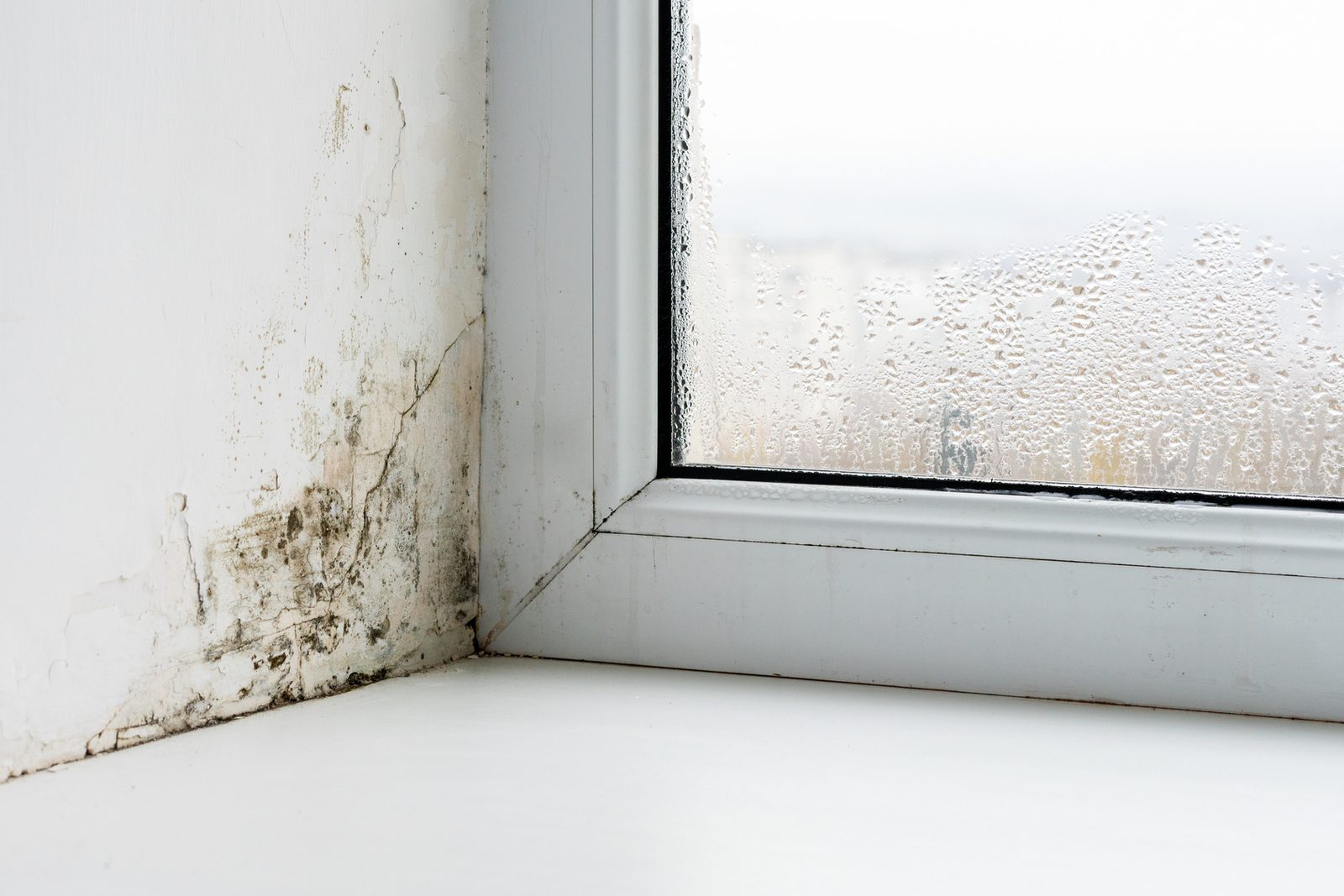
- Mold mitigation starts with the moisture source. Cleaning growth without fixing the leak usually means it comes back.
- NWS Pueblo lists Colorado Springs' mean date of first fall freeze as October 2nd, so frozen-pipe season is already here by late October.
- Colorado Springs Utilities advises setting the thermostat at 55 degrees when away instead of turning the heat off.
- Colorado does not have a state mold-remediator license, so ask any provider to explain their process and scope in writing.
- Small surface spots on hard surfaces are often a DIY job. Mold in drywall, carpet, attics or ducts usually calls for a provider.
What is mold mitigation in Colorado Springs?
Mold mitigation in Colorado Springs means reducing a mold problem and the conditions that feed it. That covers finding the water source, drying wet materials, setting up containment when needed, removing or cleaning affected materials and checking that the area stays dry.
People use the words mitigation, remediation and removal in overlapping ways. What matters is the plan: does it name the moisture source, the affected materials and how the work area will be contained? The page on mold removal vs. remediation explains the terms in more detail.
Why is fall a good time to deal with mold?
Fall is a good time because the problems that feed mold in winter are easier to fix before the ground freezes and the house closes up. Roof leaks from summer storms, damp basement corners and slow plumbing drips are simpler to reach and dry out now.
Once winter sets in, windows stay shut, bathrooms and kitchens add steam, and warm indoor air can meet cold surfaces in attics and along exterior walls. That is when hidden damp spots tend to show up as staining or a musty smell.
Which spots should you check before the first hard freeze?
Check the places where water collects or condensation forms. A quick walk-through with a flashlight can catch most early warning signs.
- Attic: dark staining on roof sheathing, damp insulation, or bathroom fans that vent into the attic instead of outside. See attic mold remediation.
- Basement and crawl space: staining low on drywall, damp carpet, a musty storage room, or water near the water heater.
- Under sinks: soft cabinet floors, stains, or a slow drip at the supply lines or drain.
- Windows and exterior walls: condensation that runs down and soaks sills or drywall.
- Outdoors: clogged gutters, short downspouts and soil that slopes toward the house.
For more warning signs, read signs of hidden mold.
Need help now? Call to be connected with a local provider in Colorado Springs who can check availability for your address.
What can you handle yourself, and when should you call?
You can usually handle a small patch of surface mold on a hard surface, such as tile or a window frame, once the moisture is fixed. Call for help when the area is larger, keeps coming back, or is inside drywall, carpet, insulation or ductwork.
- Reasonable DIY: clean small spots, fix a leaky trap, re-caulk a tub, run bathroom fans longer and clear gutters.
- Time to call: growth after a leak or backup, a musty smell with no visible source, staining that spreads, or mold in the attic or HVAC system.
Anyone with health concerns should talk to a doctor. Public health agencies generally advise fixing moisture and cleaning up mold rather than living with it.
What happens during the visit?
The visit starts with an inspection of the areas you are worried about. The provider takes moisture readings, looks for the water source and checks nearby spaces such as attics, crawl spaces and HVAC equipment. Then they explain what they found and give you a written quote before any work begins.
- Inspection: a look at visible growth, staining, odors and moisture levels, plus likely sources like plumbing, roof leaks, windows and grading.
- Options explained: fixing the source, drying, small cleanups you can do, or removal with containment for larger areas.
- Written quote: the scope of work in writing, so you know what is included before anything starts.
No one can promise a schedule before seeing the home, so ask about availability when you call.
What should you do if a pipe leaks or freezes this winter?
Shut off the water first, then dry the area as fast as you can. Wet materials that stay damp for more than a day or two are much more likely to grow mold, so moving air and removing soaked items matters.
- Turn off the main water shutoff and open a faucet to relieve pressure.
- Take photos of the damage before you move or throw anything away.
- Pull up wet rugs, move belongings and run fans or a dehumidifier.
- Contact your insurer and get their instructions before making repairs.
The page on mold after water damage covers what to watch for in the weeks after a leak.
Will mitigation keep mold from coming back?
Mitigation lowers the chance of mold coming back only if the moisture source stays fixed. No cleanup can stop new growth if a leak, condensation problem or drainage issue returns.
After the work, keep an eye on the spots that were affected, run exhaust fans during and after showers, keep gutters clear and check under sinks every few months. A post-remediation clearance check can also document the result if you want records for a sale or an insurance file.
What local conditions matter for mold in Colorado Springs?
Colorado Springs has a dry climate, but local freeze and storm patterns still create the leaks that feed mold. Here is what local sources say:
- Freeze season: NWS Pueblo lists Colorado Springs' mean date of first fall freeze as October 2nd and its mean date of last spring freeze as May 8th.
- Heat when away: Colorado Springs Utilities advises setting the thermostat at 55 degrees when away instead of turning the heat off, because turning it off can lead to frozen or broken pipes. On extremely cold days, it suggests running a continuous stream of water about the diameter of a pencil.
- Freeze-thaw strain: Colorado Springs Utilities says Colorado's rapid winter freeze-thaw cycle strains underground pipes, especially where clay soils are common, and that more main breaks occur between mid-November and February each year.
- Storm damage: Colorado State University's climate assessment says nearly all of Colorado's thunderstorm hazards happen between March and October, with a peak in early June. Roof damage can lead to attic leaks.
- No state mold license: Colorado does not have a state mold-remediator license, so ask any provider for a written scope.
People across the area, from Monument and Black Forest to Woodland Park and Falcon, can call to be connected with a local provider. See all service areas or the Woodland Park mold page.
Related pages
Questions people ask
Where can I find mold mitigation Colorado Springs services near me?
Call the number on this page to be connected with a local provider who handles mold mitigation in Colorado Springs and nearby towns. Tell them where you see growth or smell mustiness and whether there was a recent leak.
What is the difference between mold mitigation and mold remediation?
The terms overlap, and many providers use them to mean the same thing. Both involve fixing the moisture source, containing the area and removing or cleaning affected materials.
Is fall a better time than winter to get mold taken care of in Colorado Springs?
Often, yes. In Colorado Springs, fall makes it easier to fix roof leaks, gutters and basement dampness before freezes and snowmelt add new water.
Can mold grow in my attic during a Colorado Springs winter?
Yes, it can. Warm, moist air leaking into a cold attic can form frost on the roof sheathing, and when it melts it can wet the wood enough for growth.
How long does it take for mold to grow after a pipe bursts?
Mold can start growing within a day or two on materials that stay wet. That is why shutting off the water and drying the area quickly matters so much.
Should I leave my heat on when I travel over the holidays in Colorado Springs?
Yes. Colorado Springs Utilities advises setting the thermostat at 55 degrees when away instead of turning the heat off, because turning it off can lead to frozen or broken pipes.
Can I use bleach to get rid of mold before winter?
Bleach can clean small spots on hard, non-porous surfaces, but it does not fix the moisture source. Never mix bleach with ammonia or other cleaners, and replace porous materials like drywall or carpet that have grown mold.
Is a dehumidifier enough to stop mold in a Colorado Springs basement?
A dehumidifier helps, but it is not enough on its own if water is getting in. Find and fix leaks, grading or downspout problems first, then use the dehumidifier to keep the space dry.
What does a mold mitigation plan usually include?
A good plan names the moisture source, the affected materials, how the work area will be contained and how the area will be dried. Ask for it in writing before work begins.
Can snowmelt cause mold in a basement in Colorado Springs?
Yes, it can. Snow piled against foundation walls or in window wells can melt into a basement, so clear snow away from the house and keep downspouts pointed away.
Will homeowners insurance pay for mold mitigation after a frozen pipe?
It depends on your policy, so check with your insurer. The Colorado Division of Insurance says burst-pipe water damage generally is covered, but mold coverage varies, so check your policy and document everything.
Does Colorado require mold mitigation companies to have a license?
Colorado does not have a state mold-remediator license. Ask any provider to explain their process, containment and scope of work in writing.
Should I test for mold before starting mitigation?
Not always. If mold is visible and the water source is clear, the next step is usually fixing the source and cleaning up. Testing can help when there is a musty smell with no visible growth.
How can I keep mold from coming back after mitigation?
Keep the area dry. Run exhaust fans, clear gutters, check under sinks every few months and watch spots that were affected before.
Is mold in the HVAC system something I should deal with before winter?
Yes, it is worth checking before heating season, since the furnace will run for months. See the duct cleaning page or call to be connected with a provider who can look at the system.
Talk to someone about your mold problem
Call to be connected with a local provider who can check availability for your address and explain the next step.