What Does Mold Smell Like? Colorado Springs
What does mold smell like? Most people describe it as musty and earthy, like wet cardboard, damp socks or an old basement. In a Colorado Springs home, that smell usually means hidden moisture somewhere nearby. Find the strongest spot, look for the water source, and call to be connected with a local provider if you cannot find it.
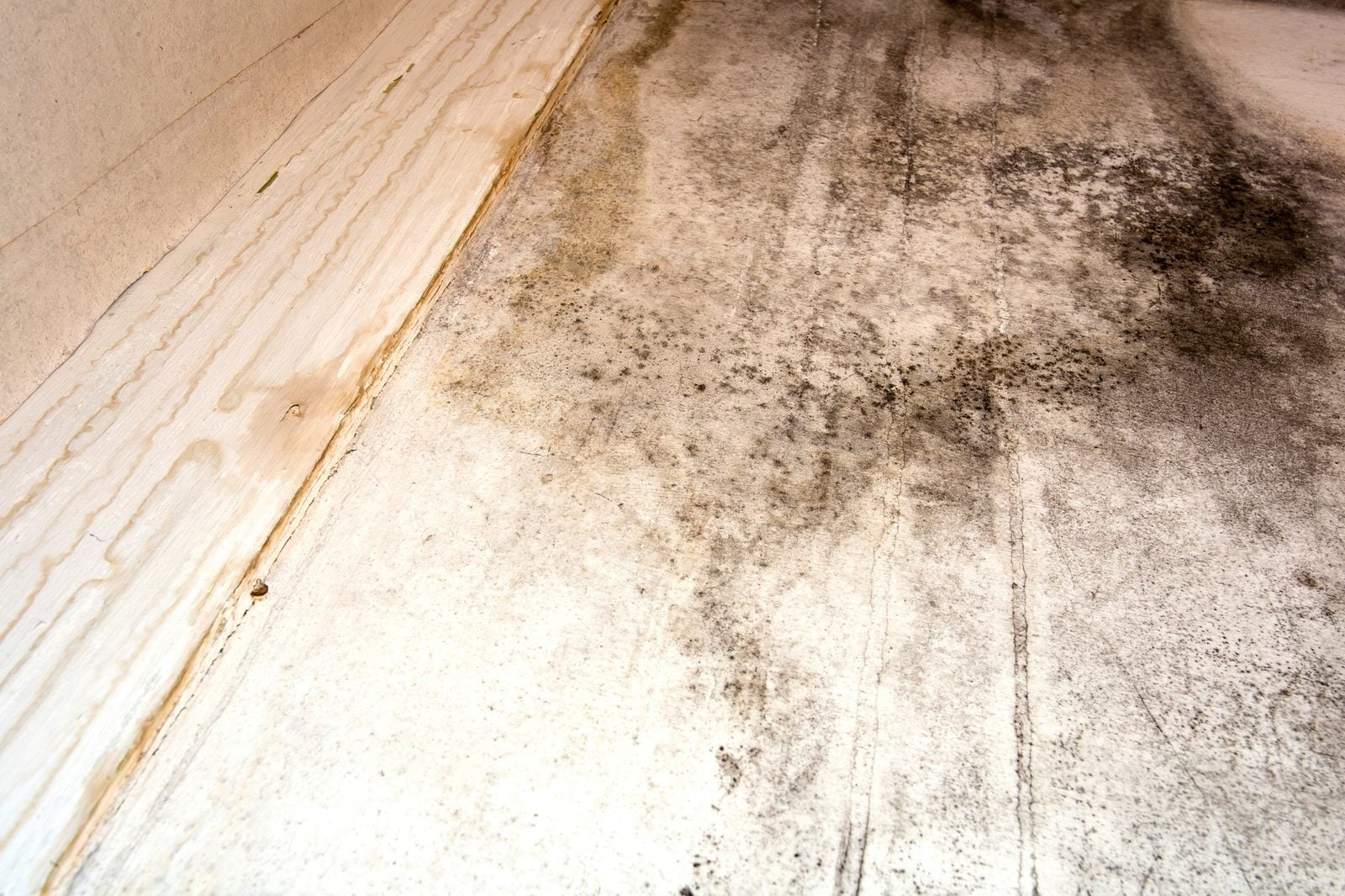
- Mold usually smells musty, earthy or stale, like wet cardboard, damp wood or laundry left in a washer.
- The EPA says a musty odor can be a sign of mold even when you cannot see any.
- A smell that gets stronger when the heat runs, or after rain or snowmelt, points to a moisture source.
- The EPA says to fix the water problem first; masking the odor lets mold come back.
- Colorado does not have a state mold-remediator license, so ask any provider for their scope in writing.
What does mold smell like, exactly?
Mold in a Colorado Springs home usually smells musty, earthy and stale. People compare it to wet cardboard, a damp towel left in a gym bag, old books or a basement that has been closed up for months. It is not sharp like chemicals. It is a heavy smell that comes back after you air out a room.
The odor comes from gases that mold releases as it grows and breaks down the material it lives on. The EPA calls them microbial volatile organic compounds. What matters is that the smell is a clue that something is damp and growing.
- Mild: faintly stale, like a closet that needs airing out.
- Moderate: clearly musty when you first walk in.
- Strong: earthy and sour, and it clings to fabric and stored clothes.
Mildew, which is mold in an early, flat stage, tends to smell lighter. Older growth inside walls or under carpet tends to smell deeper.
I smell mold but cannot see it. What should I do right now?
If you smell mold in your Colorado Springs home but cannot see any, find where the smell is strongest, then look for water. Hidden mold almost always sits near a leak, a damp surface or still air. Work through these steps before buying sprays or air fresheners.
- Walk the house with your nose. Note where the smell is strongest. Open cabinets, closets and any crawl space hatch.
- Check the usual wet spots. Under sinks, behind toilets, around the water heater and washer, along basement walls and under windows.
- Look for signs of water. Stains, bubbling paint, warped baseboards or soft drywall point to moisture.
- Sniff the vents. If the smell jumps when the furnace or air conditioner runs, the source may be in the system.
- Stop any active leak. Shut off the nearest valve or the main water shutoff.
- Do not disturb what you find. Scraping or tearing out material can spread spores.
If you cannot find the source, or the growth is more than a small patch, call to be connected with a local provider who can inspect and take moisture readings.
Where does a musty mold smell usually come from in a house?
In most Colorado Springs homes, a musty mold smell comes from a few places where water collects or air stays still.
- Basements and crawl spaces: foundation seepage, snowmelt and boxes stored against cold walls.
- Bathrooms: slow vanity leaks, failed tub caulk and ceilings above showers with weak fans.
- Kitchens: the sink cabinet, behind the dishwasher and under the refrigerator.
- Attics: roof leaks after storms and bath fans venting into the attic.
- HVAC systems: the air conditioner drain pan and coil, or a furnace humidifier.
- Carpet and padding: after a spill or appliance leak that never fully dried.
Start an inspection where the smell is strongest. Our guide to signs of hidden mold covers other clues.
Need help now? Call to be connected with a local provider in Colorado Springs who can check availability for your address.
Is it mold, or could the smell be something else?
A musty smell is often mold, but other problems in a Colorado Springs home can smell similar. Telling them apart helps you call the right help.
- Mold or mildew: musty, earthy, damp. Comes back after airing out.
- Sewer gas: rotten eggs or sewage, often from a dry floor drain or a failed toilet seal. Pour water into unused drains first.
- Natural gas: utilities add a rotten-egg odor to it. If you smell gas, leave the house and call your gas utility from outside.
- A dead animal: a sweet, rotting smell that gets worse over a few days, then fades.
- Washing machine: front-load washers can smell musty from the door gasket. The smell stays near the machine.
If you are unsure, treat a musty smell as a moisture problem until you rule it out.
Does a mold smell mean the mold is dangerous?
A mold smell in your Colorado Springs home means mold is growing, but the smell does not tell you how much there is or what kind. The EPA and CDC say any indoor mold should be cleaned up and the moisture fixed, whatever its type.
Public health agencies note that mold can cause allergy-type reactions, such as a stuffy nose or itchy eyes, in some people, and that people with asthma or allergies may be more sensitive. The CDC does not recommend testing to identify the type of mold, because the response is the same: fix the water and remove the growth.
If anyone in the home has health concerns, talk to a doctor. A mold provider can tell you what they find in the house, not anything about your health.
Can I get rid of a mold smell myself?
You can often clear a mold smell yourself in a Colorado Springs home if the growth is small, easy to reach and the moisture is fixed. The EPA says many people can clean a mold area smaller than about 10 square feet on their own.
- Fix the leak or moisture source first.
- Wear gloves, eye protection and an N-95 respirator, as the EPA suggests.
- Scrub hard surfaces with detergent and water, then dry them fully.
- Throw out porous items that stay musty, such as cardboard or old padding.
- Dry the area with fans and a dehumidifier.
Never mix bleach with ammonia or other cleaners. Air fresheners only hide the smell.
When to call: the smell is strong but the source is hidden; growth is larger than about 10 square feet; it is inside walls, ducts or a crawl space; the water was sewage or floodwater; or the smell returns after cleaning.
Why does the mold smell get worse when the heat or air conditioning runs?
If a musty smell in your Colorado Springs home gets stronger when the furnace or air conditioner turns on, the system is pulling air past a damp area or has moisture inside it. Either way, it is spreading the odor through the house.
Common causes include a clogged condensate drain or rusty drain pan, a furnace humidifier that leaks, ducts running through a damp crawl space, and returns drawing air from a moldy basement. Changing the filter is a reasonable first step, but it rarely fixes the smell. Do not spray cleaners into the ducts. See HVAC and duct mold cleaning for more.
What happens during the visit?
When you call, you are connected with a local provider who serves Colorado Springs and nearby communities. A typical visit follows these steps:
- Inspection: the provider asks where and when you notice the smell, checks those areas with moisture readings and looks for the water source.
- Explanation of options: they explain what they found, whether it is a small surface problem or growth that needs containment and removal, and how the moisture should be fixed.
- Written quote before work: you get a written scope and quote to review before any work starts.
Learn more about mold inspection and testing.
Why do Colorado Springs homes smell musty even in a dry climate?
Colorado Springs has dry air for much of the year, so a mold smell here usually traces back to a specific water event, not general humidity. Local and state sources point to common triggers:
- A long freeze season: NWS Pueblo lists Colorado Springs' mean date of first fall freeze as October 2nd and its mean date of last spring freeze as May 8th. Frozen pipes are a frequent cause of hidden leaks.
- Leaving the heat off: Colorado Springs Utilities advises setting the thermostat at 55 degrees when away instead of turning the heat off, because turning it off can lead to frozen or broken pipes.
- Storm season: Colorado State University's climate assessment says nearly all of Colorado's thunderstorm hazards, including hail and damaging winds, happen between March and October, with most impacts on the Front Range.
- Sewer line care: Colorado Springs Utilities says customers are responsible for maintaining the wastewater service line between the CSU main and their home, and recommends professional cleaning every two years.
- Watering near the foundation: the Colorado Geological Survey names planting next to the foundation, where irrigation water soaks into the soil, as a problem.
A musty basement in Fountain or Security-Widefield after snowmelt, a stale attic in Black Forest after a hailstorm, and a damp crawl space in Manitou Springs are common calls, as are frozen-pipe leaks in Monument and Woodland Park. Colorado does not have a state mold-remediator license, so ask any provider to describe their scope in writing.
Related pages
Questions people ask
What does mold smell like in a house?
Mold in a house usually smells musty, earthy and stale, like wet cardboard or an old basement. If the smell comes back after airing out the room, something nearby is likely still damp.
Does mold always have a smell?
No. Small or dry patches may have little smell, while active growth in a damp area usually smells stronger. A smell does not tell you how much mold there is.
Why does my house smell musty but I cannot find any mold?
It often means growth is hidden inside a wall, under flooring, in a crawl space or in the HVAC system. Look for stains or soft drywall near the strongest smell, and call to have it inspected if you cannot find the source.
What does black mold smell like compared to other mold?
Dark-colored mold smells like any other mold: musty and damp. You cannot identify mold type by smell, and the EPA's advice is the same for all indoor mold.
What is the difference between a mildew smell and a mold smell?
Mildew usually smells lighter, like a damp towel, while larger mold growth smells deeper and earthier. Both are mold, and both mean moisture to fix.
Why does my basement smell like mold in the spring in Colorado Springs?
Spring snowmelt and rain can push moisture through foundation walls and window wells, feeding mold. Check for wet spots and keep downspouts and sprinklers aimed away from the house.
Can the mold smell come from my air conditioner or furnace?
Yes. A clogged condensate drain, dirty coil, leaking humidifier or ducts in a damp space can cause a musty smell that gets stronger when the system runs.
Will an air purifier or air freshener get rid of a mold smell?
No, not on its own. They can reduce or hide the odor, but mold keeps growing while the moisture is there.
How do I get rid of a mold smell in my Colorado Springs home?
Fix the moisture source, clean small areas on hard surfaces with detergent and water, and dry everything. If the area is larger than about 10 square feet or the source is hidden, call to be connected with a local provider.
Is it safe to sleep in a room that smells like mold?
The EPA and CDC say indoor mold should be cleaned up and the moisture fixed, and some people are more sensitive than others. If you have health concerns, talk to a doctor.
Can a mold smell make you sick?
Public health agencies say mold can cause allergy-type reactions in some people, especially those with asthma or allergies. Only a doctor can tell you whether symptoms are related.
Should I test for mold if I only notice a smell?
Usually not. The CDC does not recommend testing to identify mold type, because the fix is the same. An inspection with moisture readings is often more useful for finding where it is.
Does homeowners insurance cover mold found because of a musty smell?
It depends on your policy and the cause. Many policies treat sudden damage differently from gradual leaks; check your policy and document everything.
Does a provider in Colorado need a license to deal with mold?
Colorado does not have a state mold-remediator license. Ask any provider to explain their process and scope in writing.
Who can find the source of a mold smell near me in Colorado Springs?
A local mold provider can inspect the areas where you notice the smell and explain what they find. Call to be connected with a provider who serves Colorado Springs, Monument, Fountain, Falcon and nearby areas.
Talk to someone about your mold problem
Call to be connected with a local provider who can check availability for your address and explain the next step.