Black Mold Symptoms in Colorado Springs Homes
Black mold symptoms in a house are the signs your home shows, not a diagnosis of anyone's health. In Colorado Springs, look for a musty smell, dark spotty stains, bubbling paint, warped trim and damp spots near pipes, windows or the roof. Find the moisture source first, then call to be connected with a local mold provider.
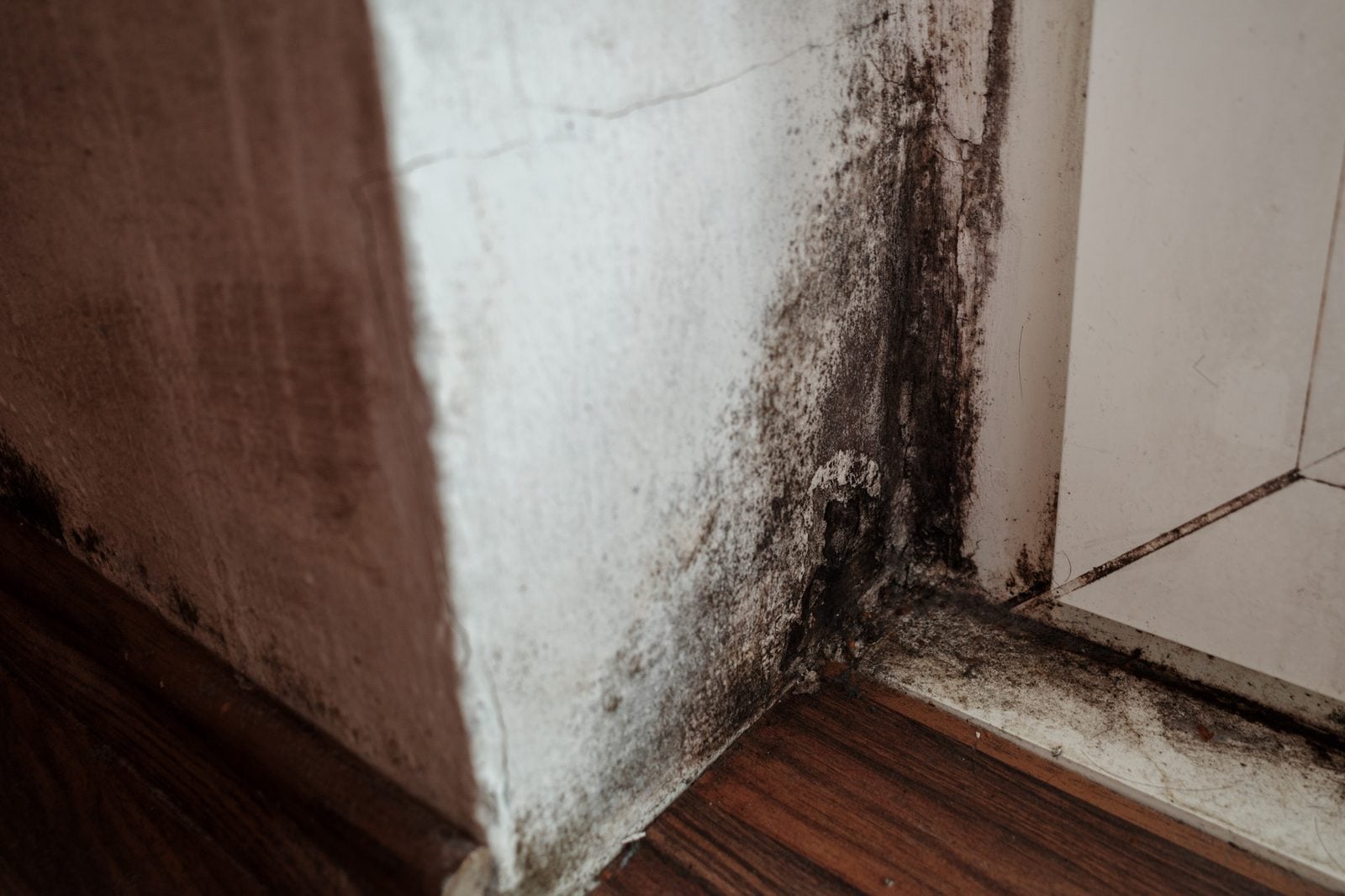
- On this page, "symptoms" means signs of a mold problem in the building: smell, stains, damage and moisture.
- Mold color does not tell you the type. Any dark growth that keeps coming back points to a moisture problem.
- Mold needs water to grow, even in a dry climate. Leaks, frozen pipes, roof damage and poor venting are common sources.
- If you have health concerns, talk to a doctor. Public agencies like the EPA and CDC say indoor mold should be cleaned up and the moisture fixed.
- Colorado does not have a state mold-remediator license, so ask any provider for a written scope of work.
What to do first
- Do not scrape, sand or dry-brush the growth. That can spread spores into the air and other rooms.
- Stop the water if you can find it: shut the fixture valve or the main water valve for an active leak, and set out a bucket for a roof drip.
- Take photos of the stains, the water source and any damaged items before anything is moved or thrown out.
- Keep the area dry and ventilated, and keep kids and pets out of the room for now.
- Call to be connected with a local provider who can inspect the area and find where the moisture is coming from.
What are black mold symptoms in a house?
Black mold symptoms in a house are the visible and physical signs that mold is growing somewhere in the building. In Colorado Springs homes, the most common signs are a musty or earthy smell, dark or greenish-black spots, stains that spread, paint that bubbles or peels, and wood or drywall that feels soft or damp.
These signs tell you the building has a moisture problem. They do not tell you what kind of mold it is, and they say nothing about anyone's health. That is a question for a doctor. What a homeowner can do is spot the signs early, find the water and get the area looked at before the damage grows.
What does a musty smell tell you about hidden mold?
A musty smell that will not go away is often the first sign of hidden mold in a Colorado Springs home. It usually means growth is happening somewhere you cannot see, such as inside a wall, under flooring, in a crawl space or around ductwork.
Notice where the smell is strongest and when it shows up. A smell that gets worse when the furnace or cooling runs can point to the HVAC system or ducts. A smell that is strongest in one closet or behind one cabinet often points to a slow plumbing leak. Air fresheners only cover the odor; they do nothing about the moisture causing it.
Which stains and damage are signs of a mold problem?
Stains and damage that come back after cleaning are strong signs of a mold problem. Watch for patterns that point to water, not just dirt or soot.
- Spotty dark patches on drywall, ceilings, grout or window frames, often in clusters.
- Brown or yellow water rings on ceilings, which often show a roof or plumbing leak above.
- Bubbling, cracking or peeling paint, which can mean moisture is trapped behind the surface.
- Warped baseboards, trim or flooring, or drywall that feels soft when pressed.
Black is only one color. Mold can look white, green, gray or brown, so treat any recurring growth the same way.
Need help now? Call to be connected with a local provider in Colorado Springs who can check availability for your address.
Where does the moisture come from in a dry Colorado Springs climate?
Even in a dry climate, mold in Colorado Springs homes almost always traces back to a specific water source. The air may be dry most of the year, but leaks, frozen pipes, storm damage and trapped humidity give mold the water it needs.
Common sources include:
- Slow leaks under sinks, behind toilets, at dishwasher and washer hoses, and around water heaters.
- Pipes that froze and cracked during a cold snap, sometimes hidden inside a wall.
- Roof leaks after hail or wind damage, which can soak insulation and show up in the attic first.
- Bathrooms without a working exhaust fan, where shower steam settles on ceilings and walls.
- Cracks in basement floors and walls, and ground water from sprinklers or downspouts near the foundation.
Finding and fixing the moisture source matters more than anything you spray on the stain. If the water keeps coming, the mold usually comes back.
Is black mold a health risk, and who should I ask about symptoms?
Questions about health and mold belong with a doctor, not with a mold provider or a website. If you or someone in your home has health concerns, talk to a doctor and mention that you have found mold or water damage at home.
For the building itself, public agencies like the EPA and CDC give the same general guidance: indoor mold should be cleaned up, and the moisture problem that caused it should be fixed. A mold provider can help with the home side of that: finding the source, measuring how far the damage goes and laying out cleanup options. They cannot diagnose illness, and you should be wary of anyone who claims they can.
When is it a DIY cleanup and when should you call?
A small patch of surface mold on a hard surface, like tile or a window frame, is often something a homeowner can clean. Growth that covers a large area, keeps coming back, sits on drywall or insulation, or follows a leak or flood is usually a job for a provider.
Call for help when:
- The musty smell is strong but you cannot find the source.
- Stains are spreading across a wall or ceiling.
- The area was wet for more than a day or two after a leak.
- Growth is in the attic, crawl space, ducts or inside walls.
Larger growth on porous materials often needs those materials removed, not just wiped. See black mold removal for how that work is usually handled.
What happens during the visit?
A mold visit in Colorado Springs starts with an inspection, moves to an explanation of options and ends with a written quote before any work begins.
- Inspection: the provider looks at the stains and smell you noticed, checks nearby walls, floors and ceilings for moisture, and traces where the water is coming from. A mold inspection may include moisture readings and, when useful, sampling.
- Options explained: you hear what was found, how far the damage seems to go, and the choices, such as fixing the leak, drying, cleaning, or removing damaged material.
- Written quote: you get a written scope and quote before work starts, so you can compare and decide.
Ask whether the plan includes a check after cleanup, such as clearance testing, to confirm the area is clean and dry.
What local conditions lead to mold signs in Colorado Springs homes?
Colorado Springs is dry, but freezes, storms and soil still bring water into homes here. From local and state sources:
- Freeze season: NWS Pueblo lists Colorado Springs' mean date of first fall freeze as October 2nd and its mean date of last spring freeze as May 8th. Frozen and cracked pipes during that window are a common start for hidden mold.
- Heat when away: Colorado Springs Utilities advises setting the thermostat at 55 degrees when away instead of turning the heat off, because turning it off can lead to frozen or broken pipes.
- Storm season: Colorado State University's climate assessment says nearly all of Colorado's thunderstorm hazards, including hail and damaging winds, happen between March and October, with most impacts on the Front Range and eastern Plains. Roof damage from those storms can lead to attic and ceiling stains.
- Soil and slabs: the Colorado Geological Survey says cracked and heaved garage and basement floor slabs are very common signs of expansive clay throughout the state. Cracks can let water in, though they can have other causes too.
- No state license: Colorado does not have a state mold-remediator license, so ask for a written scope of work and quote.
These signs show up across the area, from older homes near Manitou Springs to newer basements in Falcon, Monument, Fountain and Black Forest. Call to be connected with a local provider who works in your part of the Pikes Peak region.
Related pages
Questions people ask
What are the most common black mold symptoms in a house?
In Colorado Springs homes, the most common black mold symptoms are a musty smell, dark spotty stains, bubbling or peeling paint, and damp or soft drywall. These are signs of a moisture problem in the building, not a health diagnosis.
How do I know if I have a mold problem if I cannot see any mold?
A lasting musty smell, water stains, warped trim or a room that always feels damp can point to hidden mold. A provider in Colorado Springs can use moisture readings to check inside walls, floors and ceilings without guessing.
Should I see a doctor if I think black mold is making me feel unwell?
Yes, if you have health concerns, talk to a doctor. Public agencies like the EPA and CDC advise cleaning up indoor mold and fixing the moisture, but only a doctor can speak to your health.
Can a mold company tell me if mold is affecting my health?
No. A mold provider in Colorado Springs can inspect your home and explain cleanup options, but they cannot diagnose illness. Health questions belong with a doctor.
Why do I keep finding black spots on my bathroom ceiling?
Recurring black spots on a bathroom ceiling usually mean shower steam is not leaving the room. Check that the exhaust fan works and runs long enough, and look for a leak above if the spots form a ring.
Is peeling paint a sign of mold behind the wall?
It can be. Bubbling or peeling paint often means moisture is trapped behind the surface, and moisture is what mold needs. Have the wall checked for a leak before you repaint.
Can a frozen pipe cause black mold weeks later?
Yes. A pipe that froze and cracked in a Colorado Springs cold snap can leak slowly inside a wall, and mold signs may not show up until later. A new stain or smell after a freeze is worth checking.
What should I do first when I find black mold in my home?
Stop the water source if you can, avoid scraping or sanding the growth, and take photos. Then call to be connected with a local provider in Colorado Springs who can find where the moisture is coming from.
Can black mold grow in my attic after a hail storm?
It can if hail or wind damage lets water through the roof. Look for ceiling stains, damp insulation or dark spots on roof boards, and have the roof leak and the attic checked together.
Is it okay to just paint over black mold?
No. Paint covers the stain but leaves the moisture and growth underneath, so the signs usually come back. Fix the water source and clean or remove the affected material first.
Can sprinklers near my foundation cause mold in my basement?
They can add to it. Sprinkler water and downspouts that soak the soil near the foundation in Colorado Springs can push moisture toward basement walls and floor cracks. Aim water away from the house.
How do I find someone to check black mold symptoms in my Colorado Springs home?
Call the number on this page to be connected with a local provider who serves Colorado Springs and nearby towns like Monument, Fountain and Falcon. Mention the smell, stains and any leaks you have noticed.
Do mold inspectors in Colorado need a state license?
Colorado does not have a state mold-remediator license, and a 2025 bill to create a state registration did not pass. Ask any provider for a clear written scope of work and quote.
Will the mold come back if I only clean the stain?
Often, yes. If the leak, condensation or damp area is still there, the growth tends to return. Finding the moisture source is the step that keeps it gone.
Is condensation on my windows in winter a sign of black mold?
Condensation is not mold, but it can lead to it. Water that sits on frames and sills in a Colorado Springs winter can grow dark spots over time, so wipe it dry and improve airflow.
Talk to someone about your mold problem
Call to be connected with a local provider who can check availability for your address and explain the next step.